Wednesday, December 28, 2022

Moody Hill - A Rocky Mountain Adventure

The Trail Experience

After a year-long hiatus from off-roading, I couldn't wait to get back behind the wheel of my Jeep and tackle the rugged terrain of the Rocky Mountains.

Selfie driving my Jeep.
Selfie on the trails in my Jeep


Trail Characteristics

Moody Hill is an 18.6-mile out-and-back trail located near Bellvue, Colorado, in the Arapaho & Roosevelt National Forest. This intermediate trail offers a perfect blend of challenge and scenic beauty, making it an ideal choice for off-road enthusiasts looking to explore the Front Range.

Rocky terrain: It features a steep and rocky climb at the beginning, making it one of the more difficult trails in the area.

Scenic views: The trail provides breathtaking views of the Rocky Mountains and surrounding landscape.

Varied difficulty: While mostly intermediate, it includes sections suitable for more advanced off-roaders, such as a quarry area for rock crawling.


Selfie on the trails with Jeeps in the background
Selfie on top of Moody Hill Colorado

As I approached the trailhead, I could feel my excitement building. The trail begins with a rocky climb that immediately tests your vehicle's capabilities and your driving skills. This initial ascent sets the tone for the rest of the journey, which is filled with diverse terrain and stunning vistas.

One of the highlights of Moody Hill is the quarry area, which is reserved for more experienced off-roaders with rock buggy-style vehicles. I didn't venture into this section.


Breathtaking Scenery


Throughout the trail, I was constantly in awe of the surrounding landscape. The Front Range, part of the Rocky Mountains, stretches an impressive 180 miles from Wyoming to Colorado. The sheer scale of these mountains is humbling, and the views from various points along the trail are nothing short of spectacular.

However, I never take the Rockies for granted because even though these mountains are amazing they can quickly turn on you. You need to be prepared in several areas. 

Top 5 Tips 👉 Wheeling in the Rockies

Jeep with Rocky mountains in the background


Tips for Wheeling in the Rockies


Based on my experience, here are some essential tips for off-roading in the Rocky Mountains:

Be Prepared: The weather in the Rockies can change rapidly. Always pack extra layers, food, and water.

Vehicle Maintenance: Ensure your Jeep or off-road vehicle is in top condition before hitting the trails.

Know Your Limits: Moody Hill is rated as moderate, but some sections can be challenging. Don't push beyond your skill level or your vehicle's capabilities.

Stay Informed: Check trail conditions and closures before your trip. Moody Hill is typically open from June 15 to November 30.

Respect the Environment: Practice Leave No Trace principles to preserve these beautiful trails for future generations.


Retrospective

As I drove back along the scenic byway after conquering Moody Hill, I felt a deep sense of gratitude. The Rocky Mountains have a way of putting life into perspective, reminding us of nature's grandeur and our place within it.

👉 Colorado Scenic By-ways


Scenic view on the Colorado Scenic By-way
Colorado Scenic By-way


Friday, November 4, 2022

Sabot Heated Gloves - Product Review

Discover the Ultimate Winter Comfort

As an avid Jeep enthusiast and outdoor adventurer living in Wyoming’s chilly climate, staying warm is essential. When Sabot Heat offered me their battery-heated gloves to test, I eagerly accepted. These gloves quickly became indispensable, even transforming my daily commute during frigid winter mornings.


Exceptional Warmth in Extreme Cold

During the 2023 winter, temperatures regularly dipped below 30°F, putting these gloves to the test. Whether driving to work, running errands, or spending extended periods outside, my hands stayed incredibly warm and comfortable. The consistent warmth significantly improved my overall winter experience.


Jeep Momma bundled up on a frigid winter day wearing the Sabot Heat heated gloves.
Jeep Momma bundled up wearing the Sabot Heated gloves.


High-Tech Features and Functional Design

Responsive Touchscreen Compatibility

One impressive feature is the gloves’ touchscreen capability. The fingertips allowed seamless smartphone usage without removing the gloves, ideal for daily tasks in cold conditions.

Lightweight and Flexible

Despite their sophisticated heating elements, the Sabot Heat gloves remain lightweight and surprisingly flexible. The embedded batteries are barely noticeable, ensuring comfortable wear throughout the day.

Advanced Heating Technology

Sabot Heat incorporates patented carbon nanotube heating technology into their gloves. This advanced feature provides rapid, even heat distribution across the back of the hands and fingertips, enhancing overall warmth. Four adjustable temperature settings allow personalized comfort for any weather condition.


Jeep Momma wearing the Sabot Heat gloves
Jeep Momma wearing the heated gloves.


Versatile Usage for Winter Activities

These gloves excel in a wide range of winter activities:

  • Skiing and snowboarding

  • Winter hiking and cycling

  • Daily commuting and errands

Additionally, they're excellent for individuals dealing with arthritis or joint pain, delivering soothing heat to ease discomfort.


Frequently Asked Questions (FAQs)

Q: How long does the battery last on Sabot Heat gloves?
A: Battery life typically ranges from 3 to 8 hours, depending on your selected heat level.

Q: Are the Sabot Heat gloves waterproof?
A: Yes, they're designed to be water-resistant, offering protection in snowy and wet conditions.

Q: Can I use my smartphone while wearing these gloves?
A: Absolutely! The touchscreen-friendly fingertips allow easy smartphone usage.

Q: Are heated gloves safe to wear for extended periods?
A: Yes, Sabot Heat gloves have built-in safety features that prevent overheating and are safe for prolonged use.


Expert Recommendation

Having thoroughly tested these gloves during Wyoming's tough winter, I highly recommend Sabot Heat’s battery-heated gloves. Their excellent warmth, touchscreen capability, and comfort make them an ideal winter accessory for anyone who spends significant time outdoors.

Investing in quality heated gloves can dramatically enhance your winter comfort. Sabot Heat gloves offer reliable warmth, convenience, and versatile usage, making them perfect for daily activities and outdoor adventures alike.

Check out my Must Have Jeep Winter Jeep Accessories for more tips to help your winter Jeep adventures. 


The palm side of the Sabot Heated gloves
The Sabot Heated Gloves

Watch my Jeep Momma Product Review 👉  Sabot Heated Gloves

Buy the heated gloves 👉 Sabot Heated Gloves


Jeep Momma is a participant in the Amazon Services LLC Associates Program, an affiliate advertising program designed to provide a means for us to earn commissions by linking to Amazon.com and affiliated sites. When you click on and/or make a purchase through a link to an Amazon Affiliate link placed on this website, we may receive a small commission at no additional cost to you.

Saturday, October 29, 2022

Epic Overlanding Adventure

Exploring the Grand Canyon's Northern Rim


I recently embarked on an unforgettable journey with 4Xploring along the Northern Rim of the Grand Canyon. This five-day, four-night adventure through the Grand Canyon Parashant National Monument was a true test of overlanding skills and a feast for the senses.

Find out all about What is 4Xploring in my Jeep Life with Jeep Momma YouTube video.  


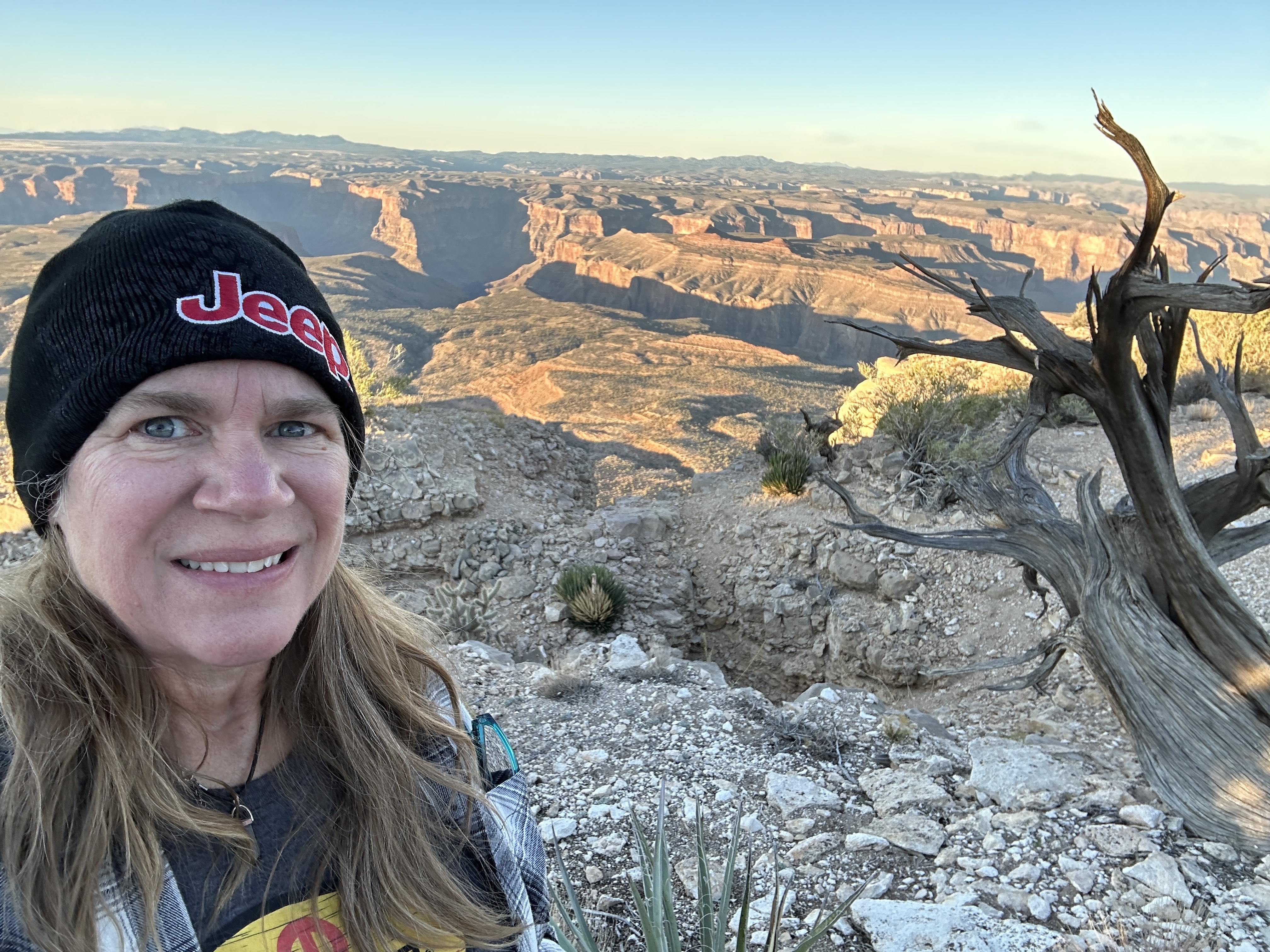
Selfie on the edge of the Grand Canyon looking 900 feet down at the Colorado River.
Camping on the Northern Rim of the Grand Canyon


The Journey Begins: From Cheyenne to Mesquite

Our expedition kicked off at TNT Customs in Cheyenne, Wyoming. We embarked on a two-day trek to Mesquite, Nevada, our official starting point. We headed South to Colorado through the Rocky MountainsIt felt good to see those majestic mountain ranges again. It only confirmed I made the right choice to leave the Midwest and get back out to the Wild Wild West. There is so much adventure in those Rockies and still so much left for me to explore.


A creek on the side of the road in the Rocky Mountains.
Rocky Mountains


Overlanding Tip: Pre-Trip Preparation

  • Ensure your vehicle is in top condition
  • Pack essential off-road recovery gear
  • Bring plenty of water and non-perishable food


Adventure within an Adventure

As daylight faded, we sought a campsite in Cathedral Valley, Utah. Cathedral Valley, a remote location at the northern end of Capitol Reef National Park, is a hidden gem characterized by towering sandstone monoliths and vast desert landscapes. By the time we arrived, the sun had set, leaving only the stars to guide us. I quickly set up my ground tent in the dark, a familiar task for me. Afterward, I took a moment to marvel at the stunning night sky, filled with stars and the Milky Way.


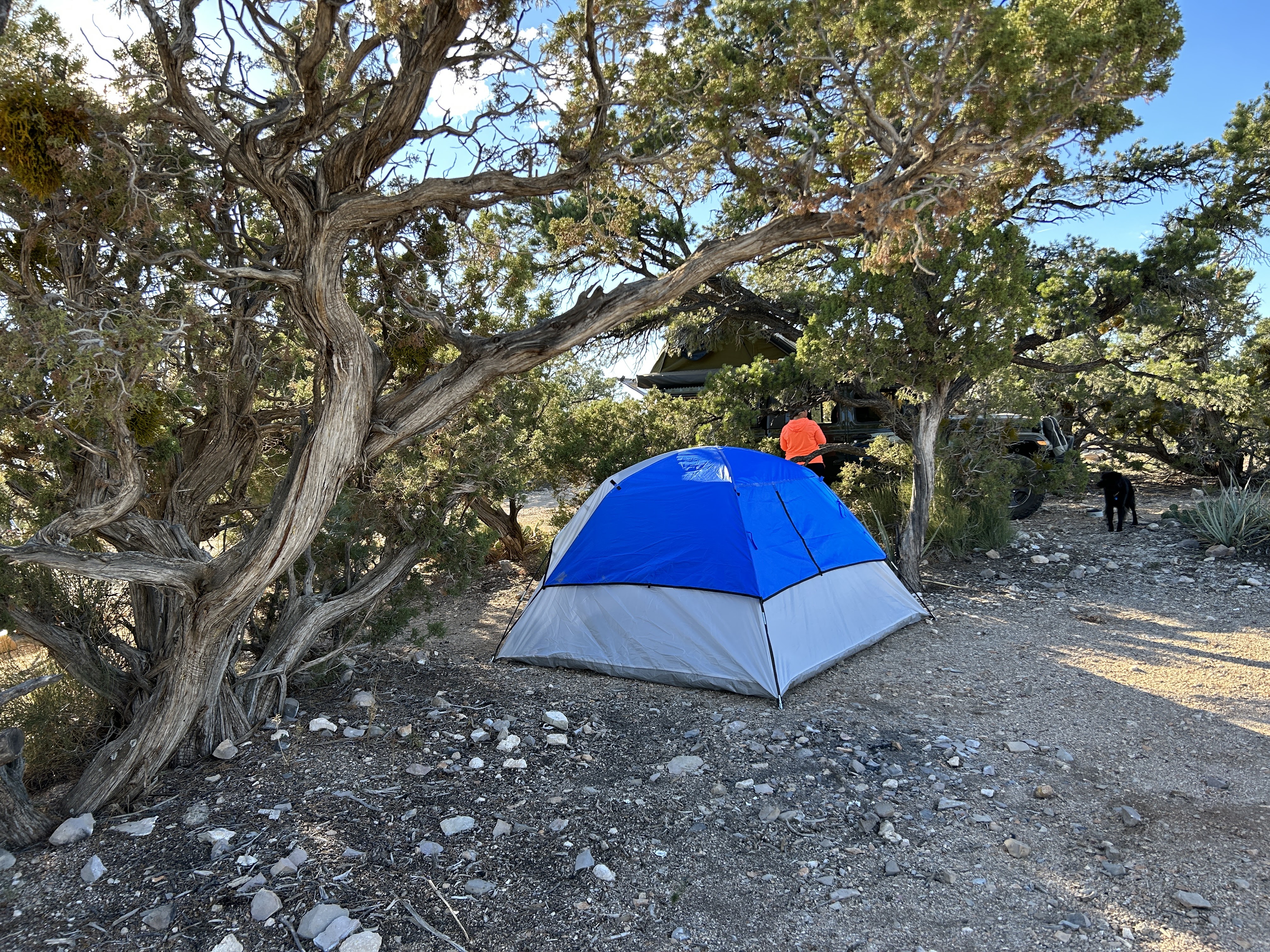
My tent at Cathedral Valley.
Tent at night in Cathedral Valley


The next morning, I managed to pack my tent back into its original bag—an impressive feat! However, this was the only time I succeeded during the trip, though I came close a few times.
After packing up, we headed to Mesquite, Nevada, racing against the clock to check into our hotel by 3 PM. This stop was our last chance for amenities before embarking on a five-day overlanding adventure.


Selfie at my camping spot at Cathedral Valley.
Selfie in Cathedral Valley

Jeep Momma pack up her tent and got it back in the bag.
Packing up my tent in the original bag

Along the way we cut through Zion National Park. One of the five mighty National Parks in Utah. Zion is spectacular with breathtaking views. We took the scenic by-way through Zion. Utah has 28 scenic by-ways around the state. This by-way showcases stunning views of out-of-this-world rock formations, mounds, towers, and hilltops. Colorful layered strata of rusty red, orange, creams, yellow, and brown fill the views.  


Zion National Park
Zion National Park

Rock formations in Zion National Park.
Rock Formations in Zion National Park


Day 1: Venturing into the Arizona Strip

Leaving Mesquite with full gas tanks and extra fuel, our convoy of 11 vehicles tackled the Virgin Mountains over Lime Kiln Pass. This rugged desert path is highlighted by rocky twisting canyons and vast high deserts filled with Joshua trees and red towering sandstone. 

.

Jeeps lined up ready to hit the trail.
Airing down in Nevada


The Arizona Strip: A Vast Wilderness


The Arizona Strip, north of the Colorado River, offered 350 miles of untouched nature and no amenities. This remote area is a mix of Indian reservations and protected lands. The Strip is typical of the West with its red rock canyons and dry climate which leads to the vegetation of cacti grassland and sagebrush, to Junipers and Pinyon forests, and Ponderosas of Pines, Spruce, Fir, and Aspen trees on the Plateau. Plus, magnificent cliffs, spectacular canyons, and valleys filled this remote area. 

Jeep Momma selfie on the trail in Arizona.
Selfie on the trail 


We meandered our way through a small section Gold Butte National Monument to our second mountain climb over Whitney Pass. Once over Whitney Pass, the high desert plains spread for miles called the Grand Gulch Canyon. The views were spectacular. The area is emote and vast. No crowds! No lines! Endless blue skies, isolated cattle corrals, lone cowboys (I saw one near the end of the trip), and one of the best places in the world to view the dark night skies.


Jeep Momma selfie from the passenger seat.
Selfie from the passenger seat


We camped that night at an old abandoned mine near a solitary vista, Grand Gulch Mine. Mining engineers once said the mine contained some of the richest copper ore ever produced in the Arizona territory. However, the copper ore didn't mean getting rich quick. Ore was hauled four hundred miles by horse and wagon to Salt Lake City, Utah for smelting. A costly endeavor.  A slow expensive trip. In 1918 when WW1 ended the copper prices plummeted. The mine shut down for 20 years. 


Old mining truck at an abandoned mine.
Old Mining Truck


Then during WW2 the demand for copper rose again and Grand Gulch Mine came back to life. No longer using horse and wagon to haul the copper instead trucks successfully hauled out the ore. Copper mining continued until a fire in 1955 that destroyed the main buildings. Eventually, in 1958, the miners abandoned the mine.


My tent during the sunset.
My tent during sunset


It was a great night up on the Grand Gulch Mine's unpaved airstrip with the Upper Grand Wash Cliffs in the background. The light pollution from Las Vegas was still visible on the horizon, but the stars were abundant. 


The night sky with the lights from Vegas.
The lights from Vegas


Overlanding Tip: Night Sky Photography

  • Bring a tripod for long-exposure shots
  • Use a red light to preserve night vision


Day 2: Grand Canyon Views at Snap Point

Bob, Mary, and the crew were preparing a gourmet meal while the guests got to know each other on the first night of this amazing adventure. Korean meal of Beef Bulgogi with a gigantic chocolate chip cookie and ice cream for dessert. The next morning was more great food, as a gourmet breakfast was served.

Overland Camp Cooking Breakfast
Cooking breakfast

YouTube video Camping Prep Tips from Bob 👉 Overland Cooking Tips

Buy Here 👉 Dutch Oven


Five Layer Egg Bake
Five layer Egg Bake 

Breakfast was absolutely delicious, a five-layer egg bake cooked in a dutch oven.  Once our bellies were full it was time to hit the trail.

Overlanding Tip: Camp Cooking

  • Invest in a quality Dutch oven for versatile cooking
  • Pre-plan meals and pack ingredients efficiently


Northern Arizona Strip


Our morning started out on dusty desert paths surrounded by Arizona's majestic mesas. We were headed to Snap Point for our first look at the Grand Canyon. It's the official western end of the Grand Canyon North Rim. 


Grand Canyon from the Northern Rim
Grand Canyon


The road to Snap Point is deeply rutted and during certain parts of the year can be closed.  The deeper you drive into the trail the tighter the squeeze as the bushes are taking over the dirt road. Definitely expect scrapes and scratches on your vehicle. 


Jeep Momma on the rim of the Grand Canyon.
Me on the edge of the Grand Canyon


The squeeze was getting a little tight, so we found a small clearing at the edge of the high cliffs. We decided to get out here for our view here. It was simply breath taking.

After our amazing first view of the Canyon, we went back through what I named pinstripe alley. Then it was on to Twin Point for our second night of camping under the stars.


Selfie on the Northern Rim of the Grand Canyon.
Selfie on the Grand Canyon


We arrived to camp early in the afternoon which gave the guests of 4Xploring a chance to chill on the scenic vista. The majestic cliffs sparkled with color as the sun began to set. 

Bob and his crews were busy preparing another fantastic meal for dinner. This time a Dutch oven Italian dish

Overlanding Tip: Protecting Your Vehicle

  • Be prepared for tight squeezes and potential scratches
  • Consider installing brush guards or rock sliders

Day 3: The Rough Road to Kelly Point


Day 3 started with a hearty breakfast of sausage and egg pinwheels. Another Yummy breakfast from Bob and the crew that did not disappoint.  


My tent on Twin Point Overlook.
My ten at Twin Point Overlook


We spent the night at Twin Point Overlook with the most spectacular views. Our next destination was a journey to Kelly Point tested our off-road skills with 4-5 hours on one of the roughest and slowest roads in the National Parachant Monument. 


Grand Canyon
Grand Canyon


Old Ranch Building on the Northern Rim of the Grand Canyon
Old Ranch building


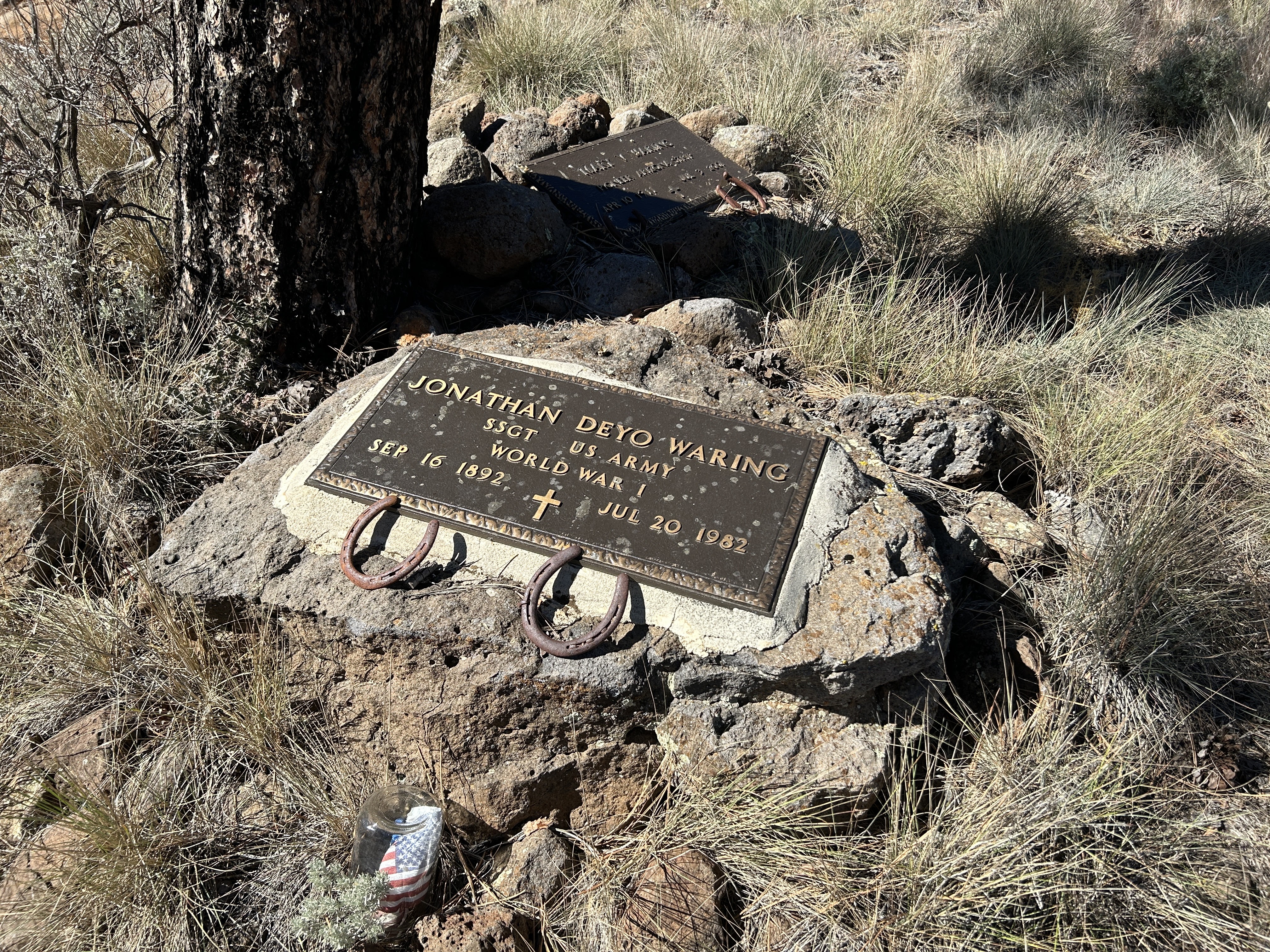
But first a pit stop at the Waring Ranch.  A remote homestead and ranch established by Jonathan Deyo Waring in 1925. The site has cabins, corrals, fence lines, water tanks, and two holding ponds. Cattle ranching back in the day was the main economic activity for the settlers in this remote arid land. 


Fence post on an old abandoned ranch.
Fence post


Jonathan Waring grew up in New York State, however, he admired Teddy Roosevelt and the ment of the Rough Riders. Waring was intrigued by the cowboys, miners, hunters and gamblers so he headed West to Phoenix. Later his adventures lead him to the Arizona Strip via Grand Gulch Mine. Something about the strip called to him and he began acquiring government land. 


Old Fence Post.
Ranch Fence Posts


Preston Nutter, an Arizona Strip cattle baron, was a rival of Waring's.  Both ran cattle at the same time and both believed they owned a certain parcel of land at the rim of the Grand Canyon. When Nutter built a fence around the contested parcel,  Waring retaliated by burning it down. 

Gravesite of Johnathan Waring


Later ironically Waring was drafted into the U.S. Army to serve during World War I. He ended up in the in the Argonne Forest trenches of France, fighting in the largest offensive in United States Military history. He later returned to the Arizona Strip to acquire more land and cattle eventually selling his land to the National Park Service. The Waring Ranch is now a historic National monument.


Mary making beer bread

Back into our Jeeps, it was time for the bouncy four hours to our next stop. Then Bob and his crew whipped up some Hungarian Goulash while Mary baked us some tasty beer bread. Then ended the meal with hot fudge brownie and ice cream.

.

Overlanding Tip: Comfort on the Trail

  • Invest in quality shock absorbers for a smoother ride
  • Bring comfortable seating for camp


Day 4-5: Colorado River Views and Ancient Art

After our tasty breakfast of blueberry pancakes and sausage plus the spectacular sunrise at Kelly Point it was back to wheeling. 


Blue berries pancakes
Blueberry pancakes and syrup

Jeeps on the trail
Jeeps on the trail

We headed back out the 27 miles from the point to the Waring Ranch, then on to our next location point overlooking the Colorado River with views that will take your breath away. 


Selfie along the Northern Rim of the Grand Canyon with the Colorado River in the background.
Selfie on the edge of the Grand Canyon

It was an amazing adventure with beautiful views, delicious Dutch oven meals, and meeting new friends.  We were on an overland adventure along the northwestern rim Grand Canyon. Our overnight camping stops were overlooks located in Parashant National Monument including some of the most remote locations in the continental United States. 


Selfie on the edge of the Grand Canyon.
Selfie on the edge of the Grand Canyon


Our last day on the Arizona Strip was fabulous. Bob ad the crew filled our bellies with the best breakfast yet, Waffle Egg Bake. It was like a Quiche from a Dutch Oven.


Another selfie on the Grand Canyon
Selfie with the Colorado River below


A few last views of the Colorado River and we were back on the trail. There were a couple more surprises waiting for us before we made it back to civilization.


Petroglyphs
Petroglyph's


Our first stop was the Nampaweap Petroglyphs. Nampaweap is site of several petroglyph's. Petroglyph's are rock carvings made by using a stone chisel or rock hammer.


Cave with Petroglyphs
Cave with pictographs

Our next stop was a random cave on the strip full of rare color pictographs. Then the long trek back to civilization.


Campfire
campfire

.Overlanding Tip: Respecting Nature and History

  • Practice Leave No Trace principles
  • Observe petroglyphs and pictographs from a distance


An Unforgettable Overlanding Experience

This Grand Canyon adventure was more than just an off-road trip. It was a journey of self-discovery, filled with breathtaking landscapes, delicious meals, and new friendships. The Arizona Strip's remote beauty and challenging terrain make it a must-visit destination for any serious overlander


Don't forget to head over to my YouTube channel Jeep Life with Jeep Momma and check out my series of 5 videos. 


Tuesday, August 16, 2022

Airelax Sleep Pad Review - 5 Stars

Is It Worth It for Camping?

Camping is a favorite of mine and I like to camp as much as possible. When you are out in the wilderness getting a good night sleep is key to a great day. After putting the Airelax inflatable sleeping pad to the test on a recent urban camping adventure, I’m giving it a solid 5-star review—and here’s why.

📺 Watch My Full Review: Airelax Sleeping Pad Review on YouTube
🛒 Shop the Pad: Airelax Sleeping Pad


Jeep Momma in her tent with the airelax sleeping pad.
Jeep Momma testing out the Airelax Sleeping Pad

Why I Recommend the Airelax Sleeping Pad

  • Quick and easy inflation (no mouth blowing)

  • Built-in pillows for extra comfort

  • Soft, durable fabric unlike standard air mattresses

  • Excellent insulation and support

  • Packs well for primitive camping or backpacking


My Real-Life Experience with the Airelax Sleeping Pad

As an avid camper and off-road enthusiast, I know how important a good night’s sleep is after a long day on the trail. Airelax sent me their inflatable camping mat to try, and I put it to use right away during an overnight tent camping trip.

Let me tell you—it didn’t disappoint.

The pad was easy to inflate with the included pump sack, and once set up, it offered impressive comfort, support, and warmth. I’ve used it both in my Jeep tent setup and at home in the guest room—versatile and reliable in every situation.


Key Features & Benefits of the Airelax Sleeping Pad

1. No-Fuss Inflation & Deflation

The Airelax pad includes a high-capacity pump sack—no need for extra tools or exhausting mouth-blowing. The dual-layer air valve ensures fast deflation in seconds and prevents leaks, so you don’t wake up on the ground by morning.


Manual blowing up the Airelax Sleeping Pad


2. Supportive Comfort for Better Sleep

At 3.54 inches thick, this sleeping mat keeps you elevated from cold, wet, or rocky ground. It’s firm enough to support your back yet soft enough to sleep on your side. Bonus—it doesn’t make that crinkly noise common in other sleeping pads.

3. Built-In Pillow Design
No more packing an extra pillow! The Airelax has integrated air pillows that support your neck and head. Combined with its wavy air bubble design, it adapts to your body whether you sleep on your back or side. I still bring my pillow though for my Glamping Experience

4. Durable, Soft Materials

This pad is made from tear-resistant nylon, peach suede, and eco-friendly TPU. What I really love is how the fabric feels—soft, suede-like texture instead of that sticky plastic feel of traditional air mattresses.


Who Should Buy the Airelax Sleeping Pad?

This sleeping pad is ideal for:

  • Primitive campers who need compact, durable gear

  • Jeepers and overlanders looking for packable comfort

  • Families hosting overnight guests

  • Backpackers needing lightweight, efficient gear


Final Verdict: Is the Airelax Sleeping Pad Worth It?

Absolutely. From quick inflation, silent comfort, and built-in pillows, to backpacking-friendly durability, the Airelax sleeping pad is a fantastic option for any camping setup.

If you’re looking for a reliable, comfortable pad for your next outdoor adventure or sleepover guest, this one should be at the top of your list. Plus, check out my other post Things you must do when you are camping! 


SPONSORED CONTENT DISCLOSURE

Occasionally Jeep Momma partners with brands and PR agencies to review products on this website and promote them via my social media accounts for which I receive free products and /or compensation. All views and opinions are my own. Please know I only post about products I believe would be helpful and useful. 

Sunday, August 7, 2022

The Birth of Jeep

Where It All Started

How a rugged 4x4 became an American icon

The "Go Anywhere, Do Anything" Jeep began as a military solution to a wartime problem then became a symbol of freedom, adventure, and American ingenuity. Before the Jeep was an off-roading legend or a beloved civilian vehicle, it was a battlefield hero that carried Allied soldiers across rugged terrain in the 1940s. Today, Jeep stands as an enduring American icon with an unmistakable silhouette and a culture all its own.


The U.S. Army’s Urgent Need

In 1940–1941, the U.S. Army needed a lightweight, low-profile, powerful reconnaissance vehicle with four-wheel drive. It had to be fast to produce, simple to repair in the field, light enough for troops to maneuver, yet rugged enough to survive war.

Three companies responded to the Army’s call:

  • American Bantam Car Company

  • Willys-Overland Motors

  • Ford Motor Company

All three were invited to design and build a pilot vehicle essentially a military prototype to compete for the final military contract.


The Birth of an Icon

After multiple rounds of testing, design revisions, and evaluation of each company’s strengths, the U.S. government selected Willys-Overland as the primary manufacturer in July 1941. However, because production needed to be massive and fast, the Army blended the best features of all three designs.

This combined design became the Willys MB, the unmistakable Jeep silhouette we know today flat fenders, slotted grille, folding windshield, and go-anywhere capability.

Fun fact: Much of the drivetrain expertise came from Bantam, while Ford contributed production efficiency and design refinements especially the iconic stamped grille.

For deeper insight into the origins, check out the Off Road Insiders Podcast:  Who Created the First Jeep

Related: The Birth of an Icon 


The Three Jeep Prototypes


Designed by Willys-Overland Motors in Toledo, Ohio, the Willys Quad stood out for its power. It was equipped with the now-famous “Go Devil” engine, capable of approximately 61 horsepower and 105 lb-ft of torque—impressive numbers for its time.

This engine gave Willys a decisive advantage, contributing heavily to their winning the Army contract.

There is still debate over how to pronounce Willys. I break it down in my post: How to Pronounce Willys. 


Willys Quad


Bantam Reconnaissance Car (BRC) – “Blitz Buggy”

American Bantam, based in Butler, Pennsylvania, built the very first Jeep prototype. Their design—nicknamed the Blitz Buggy—was lightweight and agile. Bantam collaborated with Spicer to develop axles and transfer-case components that continued influencing Jeep designs for decades.

Although Bantam lacked the manufacturing capacity to handle full-scale wartime production, their design DNA lives on in the Jeep lineage.


Blitz Buggy


Ford GP – The “Pygmy”

Ford’s prototype, called the Pygmy, offered strong production efficiency and refinements that the military appreciated. Two Ford pilot vehicles were built, both of which eventually ended up in museums. Unlike the Ford prototypes, the original Bantam and Willys pilot models are believed not to have survived.

The Ford designation GP is commonly misunderstood as meaning “General Purpose,” but it actually came from Ford’s internal coding:

  • G = Government contract

  • P = 80-inch wheelbase reconnaissance car


Pigmy


Learn More

Check out my Jeep Culture and History page for more stories, facts, and deep dives into Jeep heritage. 


FAQs About the Birth of the Jeep

1. Who actually invented the Jeep?

The Jeep was not invented by a single person or company. The first prototype was built by American Bantam, but the final production contract went to Willys-Overland, with additional manufacturing from Ford. The final Jeep design combined features from all three.

2. Why did the U.S. Army choose Willys for the final design?

Willys offered the most powerful engine the "Go Devil" and submitted a design that met the Army’s durability and performance standards. They also agreed to share their design with Ford to meet wartime production demands.

3. What does “Jeep” stand for?

The origin of the term “Jeep” is debated. Many believe it came from the slurred pronunciation of "GP" used by soldiers or from the cartoon character "Eugene the Jeep." Regardless of the story, the name stuck and became iconic.

4. What was the first civilian Jeep?

After the war, Willys released the CJ-2A in 1945. The “CJ” stood for Civilian Jeep, marking the start of Jeep’s transition from battlefield machine to everyday workhorse and recreational vehicle.

5. Did Ford really create the Jeep grille?

Yes, Ford introduced the stamped steel grille that later became a Jeep trademark. Willys adopted it because it was cheaper and faster to produce.

6. Why didn’t Bantam get the final contract?

Bantam created the first prototype but lacked the manufacturing capacity for large-scale wartime production. The Army needed hundreds of thousands of vehicles quickly, which required Willys and Ford’s facilities.

7. Did any of the original prototypes survive?

The two Ford Pygmy pilot vehicles survived and now reside in museums. The original Bantam Pilot and Willys Quad prototypes are believed to have been scrapped after testing.

8. What engine powered the first Jeep?

The Willys MB used the Go Devil 134-cu-in inline-4 engine. Reliable, simple, and easy to fix in the field, it delivered around 61 horsepower—small by today’s standards but exceptional during WWII.


Lessons Learned on the Rubicon Trail: 10 Primitive Camping Mistakes Beginners Make

Primitive camping has always been my way of reconnecting with nature like quiet nights, crackling campfires, and the kind of simplicity you ...