Tuesday, February 22, 2022

Top 5 Camping Equipment I Use the Most

My Love for Camping

My love for camping started at a very young age. My favorite thing to do is be outdoors, sitting by the fire with friends, sharing stories. I regret not sharing my love earlier with my kids.


View of Escalante Canyon looking out from inside my tent.
Escalante from inside the tent


The Good Old Days

Growing up in Minnesota and North Dakota spending summers fishing and camping are some of my most favorite memories of my childhood. Being out in the wilderness building forts, building sand castles on the lake shore and making smores by the campfire were how I spent my summers as a kid. 

Check out my YouTube video Top 5 Camping Gear I use the Most 

Myself as a kid with my bestie holding up the fish we caught
Young Me and the fish we caught

Todays Adventures

Now I combine my off-road adventures with my childhood love, camping with my Jeep. However, as a Jeep owner I know my space is limited. So, I need to be smart and take only the camping gear necessities. 


Two Reasons to be Frugal

When packing for camping in my Jeep I am selective. The first reason is the limited space for camping gear as my Jeep is all ready full of my recovery gear and tools. 

The second reason is I want to be able to relax and enjoy myself when I am out camping. The less items I have means a quicker set up, tear down and easier clean up which leaves more time to relax and enjoy nature. You don’t need a whole lot of stuff to enjoy a couple of days out in nature. 


My Top 5 Must Have Camping Gear Items


My Jeep and tent in the Mojave Desert
My Jeep and Tent in the Mojave Desert


Shelter -
 a tent & sleeping gear, or hammock, or the back of your vehicle. Sleeping in the back of my Jeep is my preferred choice which means I need to be strategic about what I pack into my Jeep. W
eigh your options of setting up and tearing down a tent vs. less stuff and sleeping in the back of your Jeep. If you have a 4 door.  


Cooking grate with cast iron pan cooking dinner on a campfire
Campfire cooking

Cooking Grate over the fire is my favorite way to cook. You don’t need to have a big camp stove with propane to carry in your Jeep. Just make sure there are no fire bans before you head out on your adventure.  


Cooking a quesadilla in a cast iron pan on the camp stove
Quesidilla cooking in cast iron frying pan

Cast Iron Pan – If you plan your meals right this is all you need to cook. There is no reason to get all fancy out on your adventure. With your cooking grate, tin foil and the cast iron pan you can make some great meals. And still have time to enjoy your time.   


L.T. Wright Handcrafted Knives

LT Wright knives & machete 

I love my LT Wright kitchen set. I take them with me every time. The machete also works great for making tinder and kindling for the fire!   

L.T. Wright Handcrafted Knives Review 


Camping chairs set up by campfire overlooking Escalante Canyon
Campsite in Escalante

Camp Chair
- Camping is about relaxing and enjoying the simple things. I love chilling in my camp chair by the campfire. 

Check out my YouTube video Top 5 Must-have Primitive Camping Items 


FAQ - Jeep Momma Camping


Q: What’s your preferred method of sleeping when Jeep camping?
A: I prefer sleeping in the back of my Jeep for convenience and space efficiency. It allows me to maximize the limited space and ensures a quick setup.

Q: How do you manage cooking with limited space in your Jeep?
A: I opt for a cooking grate over a campfire and a versatile cast iron pan. It simplifies cooking while minimizing the gear I need to carry.

Q: What’s your advice for beginners packing camping gear in a Jeep?
A: Prioritize essentials like shelter, cooking equipment, and versatile tools like a good knife. Keep it minimal to maximize space and enjoyment.

Q: What are some innovative camping gear trends for 2025?
A: In 2025, camping gear is focusing on sustainability, convenience, and technology integration. Some notable trends include:
  • Solar-powered lanterns and portable power banks for charging devices
  • Lightweight and collapsible gear for easy transport and storage
  • Multi-functional tools that combine multiple uses in one compact design


Tuesday, February 15, 2022

Frozen Lake Driving Tips: How to Be Safe Driving on Ice


Quick Answer

Driving on a frozen lake can be extremely dangerous. A vehicle should only be driven on ice that is at least 12–15 inches thick, spacing between vehicles must be maintained, and safety precautions like unbuckled seatbelts and rolled-down windows should be followed in case of ice failure.

My Jeep on a frozen lake.
My Jeep on a frozen lake

Why Frozen Lake Driving Is So Dangerous

I’ve driven my Jeep across nearly every type of terrain—rocks, mud, slick rock, snow, shelf roads, and dried creek beds—but driving on a frozen lake is one of the most intimidating experiences I’ve ever had.

Unlike trails or roads, ice conditions can change within feet. Thickness varies, pressure cracks form, and weather can weaken ice quickly. One mistake can have life-threatening consequences.

This isn’t about wheeling for fun—it’s about transportation safety, especially common in places like Minnesota where driving to fish houses is part of winter life.


When Is Ice Thick Enough to Drive On?

For medium-sized vehicles and SUVs, ice should be:

  • Minimum: 12 inches

  • Preferred: 15 inches or more

  • Checked frequently: Ice thickness can vary across the lake

Never assume a lake is uniformly frozen—even if other vehicles are already out there.

My Jeep on a frozen lake in front of a fish house.
My Jeep parked by a fishhouse


Frozen Lake Driving Safety Tips (From Real Experience)

1. Know the Ice Thickness

Always verify ice thickness using an ice spud or auger. Check frequently as you move—conditions change quickly.

2. Drive With Windows Rolled Down

If your vehicle breaks through the ice, every second matters. Rolled-down windows allow faster escape if doors won’t open.

3. Do NOT Wear Your Seatbelt

This feels counterintuitive—but on ice, a seatbelt can delay escape. Keep it off so you can exit immediately if needed.

4. Keep Vehicles Well Spaced

Never park or drive close to:

  • Other vehicles

  • Fish houses

  • Groups of people

Too much weight in one area increases ice failure risk.

5. Drive Slow — Never Fast

Speed creates pressure waves under the ice, which can cause fractures even if the ice is thick. Slow and steady reduces stress on the surface.

6. Bring an Experienced Ice Driver

If this is your first time, do not go alone. An experienced driver understands warning signs like cracks, slush pockets, and pressure ridges.


Watch 👉Top 5 Tips for Driving Your Jeep on a Frozen Lake 


Always Be Prepared

No matter the terrain, preparation matters—but on ice it’s critical. Bring:

  • Extra fuel

  • Warm clothing and boots

  • Food and water

  • Emergency tools

  • A plan for escape

Frozen lake driving is not forgiving of mistakes.


Respect the Ice

Driving on a frozen lake is not about confidence—it’s about respect. Ice doesn’t care how capable your Jeep is or how experienced you are. One weak spot can change everything.

If you take anything away from this:

Ice safety isn’t optional.
It’s survival.


Check out my other Off-road Driving Tips post for more on the different terrains you may encounter on your adventures.  


Tuesday, February 8, 2022

How to Be a Jeep Girl with Confidence


Quick Answer: How can women off-road with confidence in a Jeep?

Women can build confidence off-road by knowing their Jeep, carrying essential recovery gear, learning trail etiquette, starting with manageable mods, and trusting their skills. Confidence grows through preparation, experience, and community support—not comparison.

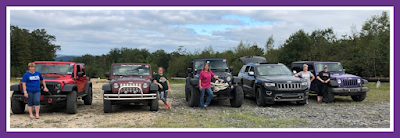
Jeep Girls and their Jeeps.
Jeep Girls standing by their Jeeps


Top 5 Real-World Tips from the Trail

Not long ago, it was rare to see women behind the wheel on off-road trails. Today, the number of women Jeepers continues to grow and that’s something worth celebrating.

Still, stepping into an off-road group for the first time can feel intimidating, especially if you’re new to wheeling or joining a group you don’t know. I remember my early years on the trail clearly. I was often the only woman, surrounded by experienced male drivers, and I questioned myself more than I needed to.

Fortunately, my experiences were mostly positive but I’ve learned that confidence on the trail doesn’t happen by accident. It’s built intentionally.

Here are five practical, experience-based tips to help you wheel with confidence and avoid undermining yourself before you even start.

Watch More How to be a Confident Jeep Girl 

Watch More 5 Reasons Jeep Girls are Cool


1. Know Your Jeep (This One Matters Most)

Confidence starts with understanding your vehicle.

I once hosted a trail ride where a new Jeep owner joined us. Someone else had worked on her Jeep and trailered it to the trailhead. Once she started driving, her Jeep ran out of gas not far into the trail. She had no spare fuel, no recovery gear, and no basic supplies.

This wasn’t a skill issue it was a preparation issue.

Before every trail ride:

  • Know your fuel range

  • Understand your 4WD system

  • Check fluids, tires, and basic function

  • Carry essential tools and recovery gear

It’s your Jeep. The more you understand it, the more confident you’ll feel behind the wheel.

Jeep Momma working on her Jeep.
Jeep Momma doing an install


2. Be Prepared with the Right Gear (Start with the Basics)

You don’t need everything at once but you do need the essentials.

Recovery straps, shackles, basic tools, water, and first aid are non-negotiable. Being prepared doesn’t mean doing everything yourself it means not being helpless.

👉 If you’re unsure what to bring, check out  My Off-road Guide for beginner-friendly gear lists.

Preparedness builds confidence fast.


3. Learn Trail Etiquette (Confidence Comes from Awareness)

Trail etiquette isn’t optional it’s safety.

That same Jeep owner didn’t know:

  • To follow the trail guide

  • To watch her rear-view mirror

  • Not to wander off alone

Those small things can create big problems.

Knowing trail etiquette helps you:

  • Stay safe

  • Support the group

  • Earn respect naturally

👉 Helpful resources:

Jeep Momma being spotted by a Jeep Girl
Jeep Girl spotter on the trail


4. Build Confidence Through Small Wins

Confidence grows when you do things yourself.

You don’t need to start with a lift kit or engine work. Begin with manageable mods:

  • Headlights

  • Sliders

  • Basic maintenance

Most Jeep companies are helpful, and Jeep communities are often generous with advice. Every install you do builds skill—and confidence.

Jeep Momma changing her gear oil
Changing my gear oil


5. Respect Yourself First

This one may be uncomfortable but it matters.

Respect on the trail starts with self-respect. How you present yourself sets the tone for how others treat you. You don’t need to prove anything or seek validation to belong here.

Wheel with dignity. You’ll be treated with dignity.


Watch More How to be a Confident Jeep Girl 

Watch More 5 Reasons Jeep Girls are Cool


Confidence on the trail isn’t about gender it’s about preparation, awareness, and experience. If you’re new to Jeep life or struggling to find your footing, these tips can help you start strong.

And if you ever need encouragement or guidance, you’re welcome to reach out. You’re not alone out there.


FAQs 

How do I gain confidence off-roading as a beginner Jeep owner?

Confidence comes from knowing your Jeep, carrying essential gear, learning trail etiquette, and gaining experience gradually. Preparation reduces fear and builds trust in your abilities.

What gear should every beginner Jeep girl carry on the trail?

At minimum: recovery straps, shackles, basic tools, water, first aid, and a full tank of fuel. Start with essentials and build over time.

Is off-roading welcoming to women?

Yes—more women than ever are off-roading. While experiences vary, preparation, knowledge, and confidence help ensure positive trail interactions.


Tuesday, February 1, 2022

What NOT to Buy for Your Jeep


(Jeep Momma’s Real-World Advice Before You Waste Your Money)

✅ Quick Answer: What Jeep Mods Should You Avoid?

Avoid Jeep accessories that reduce function, hurt trail capability, violate road laws, or exist only for looks. The worst Jeep purchases are cosmetic mods that interfere with performance, safety, or the Jeep’s core design—especially if you plan to off-road.


There’s an old saying that Jeep stands for “Just Empty Every Pocket.”
And honestly? That saying exists for a reason.

When you first buy a Jeep, it’s easy to get caught up in the excitement. Accessories, mods, upgrades—it starts feeling endless. I’ve been there. I’ve unboxed parts with my kids, installed mods with excitement, and learned (sometimes the hard way) which Jeep purchases were worth it… and which absolutely were not.

This post is here to help you save money, avoid regret, and keep your Jeep trail-capable.

⚠️ Disclaimer: These are my personal opinions based on real-world Jeep ownership and trail experience. Not everyone will agree—and that’s okay.


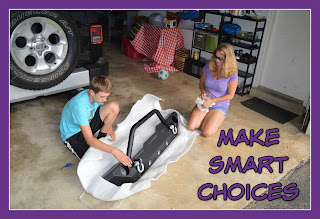
My son and I unboxing Jeep parts.
Unboxing my new Jeep parts


Jeep Accessories You Should Think Twice About Buying

1. Angry Grille

The seven-slot grille is one of the most iconic Jeep design elements—dating back to military roots.

Covering it with an “angry grille” doesn’t add function, capability, or value. It removes airflow, hides heritage, and often cheapens the Jeep’s appearance.

Jeep Momma take:
If you love Jeep culture and history, covering the seven slots feels like disrespecting what makes a Jeep… a Jeep.


2. Electric Slide-Out Side Steps

Side steps are helpful—especially on lifted Jeeps—but electric retractable steps are not trail-friendly.

Why they’re a bad idea:

  • Easily damaged off-road

  • Can jam with mud, rocks, or snow

  • Expensive repairs if torn off

Better option:
Rock sliders with integrated steps (like Barricade or similar brands). They:

  • Protect your body panels

  • Handle rocks and obstacles

  • Still help you get in and out


3. Colored Headlights

LED headlights are a great upgrade—but only in legal colors.

The problem:

  • Most colored headlights are illegal on public roads

  • They offer poor visibility

  • You can only use them when parked

Bottom line:
You’re paying for something you can’t safely or legally use. That money is better spent elsewhere.


4. Wheels With Extreme Offsets & Low-Profile Tires

These might look good on social media—but they don’t belong on a trail Jeep.

Why they’re a poor investment:

  • Reduce sidewall flex

  • Increase risk of wheel damage

  • Hurt ride quality

  • Offer zero off-road benefit

If you plan to off-road at all, tire sidewall matters more than wheel looks.


5. Jeep Eyelashes

I’ll be honest here.

They add no function.
They don’t improve performance.
They don’t protect anything.

And yes in my opinion, they just don’t belong on a Jeep.


Unwrapping my new front bumper


Jeep Momma Tip: Buy Capability First

Before buying any mod, ask yourself:

  • Does this help me on the trail?

  • Does it protect my Jeep?

  • Does it improve safety or reliability?

If the answer is no… it’s probably not worth the money.


Jeep Momma unboxing rock sliders.
Unboxing my new rock sliders


Want to See Mods That Are Worth It?

👉 Check out my my Jeep Build page where I share the upgrades that actually earned their place on my rig.

👉 Watch the YouTube video: What Not to Buy


FAQs – What NOT to Buy for Your Jeep

Is an angry grille bad for my Jeep?

It doesn’t usually damage your Jeep mechanically, but it can reduce airflow and offers no functional benefit.

Are electric steps okay if I don’t off-road?

They can work for pavement use but if you ever plan to hit trails, they’re risky and expensive to repair.

Are colored headlights illegal?

Yes, most colors are illegal for road use in the U.S. Always check local laws before purchasing.

What Jeep mods should I buy first instead?

Start with:

  • Tires

  • Recovery gear

  • Rock sliders

  • Air compressor

  • Basic maintenance upgrades


Jeep Smarter, Not Harder

Owning a Jeep is about freedom, capability, and confidence—not wasting money on mods that don’t serve you.

You don’t need everything.
You need the right things.

And sometimes, the smartest Jeep mod is knowing what not to buy.


Tuesday, January 25, 2022

The Majestic Goosenecks State Park

Getaway Idea

As an avid Jeep explorer, I've encountered countless breathtaking landscapes, but few compare to the awe-inspiring Goosenecks State Park in Utah. This hidden treasure offers an unparalleled experience for off-road adventurers and nature lovers alike.

Amazing view from above the Goosenecks on the San Juan River
Goosenecks of the San Juan River

More Jeep Getaways Ideas - Places to Take Your Jeep


A Geological Marvel

Perched on the rim of a deep canyon, Goosenecks State Park provides a bird's-eye view of the San Juan River's mesmerizing path 1,000 feet below. The river's sinuous twists and turns create a stunning natural phenomenon known as an entrenched meander, or "gooseneck".

Ancient Wonders Revealed

Geologists estimate that over 300 million years of erosion have sculpted this remarkable landscape, exposing an unprecedented amount of rock layers. The San Juan River's persistent flow has carved a deep canyon, revealing the Earth's geological history in vivid detail.

Looking down on the winding San Juan River
Goosenecks of the San Juan River


Impressive Statistics

The park showcases an astounding six miles of entrenched meanders, compressed into a linear distance of just one and a half miles. This concentration of dramatic bends creates a truly unique spectacle that must be seen to be believed.


Camping Under the Stars

For those seeking an immersive experience, Goosenecks State Park offers limited primitive camping opportunities. While amenities are sparse, the chance to wake up to panoramic views of this natural wonder is unparalleled.


Beyond the Overlook

While the main viewpoint offers stunning vistas, adventurous visitors can explore further. Short hikes lead to even more impressive vantage points, allowing you to fully appreciate the scale and grandeur of the goosenecks


Photographer's Paradise

For shutterbugs, Goosenecks State Park is a dream come true. The interplay of light and shadow across the winding river and layered rock formations creates endless opportunities for capturing breathtaking images, especially during sunrise and sunset.


Tuesday, January 18, 2022

An Unforgettable Adventure: Utah's Scariest Road

The Moki Dugway


My Jeep on a trailer behind the truck on the carved out road in the mountain side
Moki Dugway In Utah

Navigating Utah's Most Thrilling Road

When our journey back from the iconic Hole in the Rock trail took an unexpected turn due to flash flood detours, we found ourselves on what many consider Utah's most heart-pounding drive - the legendary Moki Dugway. This unplanned detour through Mexican Hat, Utah, led us to an experience that would leave us breathless, both from fear and awe.

Road closed leading us to the Mogi Dugway
Road Closed


The Moki Dugway: Utah's Ultimate Scenic Byway Challenge

The Moki Dugway, a section of Utah's Highway 261, is not for the faint of heart. This 3-mile stretch of unpaved road transforms from smooth blacktop into a rugged gravel path that seems to defy gravity. Carved directly into the mountainside, this engineering marvel boasts:

  • An 11% grade that tests even the most seasoned drivers
  • Hairpin turns that demand full attention and precise maneuvering
  • A complete absence of guardrails, adding to the thrill (and anxiety) of the drive

As we navigated this treacherous yet mesmerizing route with our Jeep in tow, the true meaning of "scenic byway" became crystal clear. The Moki Dugway offers unparalleled vistas of Utah's dramatic landscape, making every white-knuckle moment worth the journey.


Breathtaking Views and Unforgettable Memories


Despite the initial shock of finding ourselves on such a challenging road, especially while pulling a trailer, the panoramic views from the Moki Dugway were nothing short of spectacular. Each switchback revealed new perspectives of the vast Utah wilderness, creating a visual feast that rivaled any planned scenic drive.

An amazing view from the top of the dugway
Moki Dugaway mountain side

View from the top of the Dugway
view from the top of the Moki Dugaway


Lessons Learned: The Importance of Pre-Trip Planning

Our accidental adventure on the Moki Dugway served as a powerful reminder of the importance of thorough trip planning. Here are key takeaways for fellow adventurers:

  • Always check road conditions and closures before embarking on your journey.
  • Be prepared for unexpected detours, especially in areas prone to flash floods.
  • Research alternative routes that might lead to hidden gems like the Moki Dugway.


Discovering the Goosenecks of the San Juan

This detour not only introduced us to the thrilling Moki Dugway but also led us to another natural wonder - the Goosenecks of the San Juan. This unexpected addition to our itinerary showcased the silver lining of our impromptu route change.

Just down the highway is Goosenecks of the San Juans

While our original plan to return from Hole in the Rock was derailed, the resulting adventure on the Moki Dugway and discovery of nearby attractions turned a potential setback into an unforgettable highlight of our Utah expedition. It's a testament to the old adage that sometimes the best experiences are the ones you don't plan for.

Remember, when exploring Utah's backcountry, always prioritize safety, stay informed about road conditions, and be open to the unexpected wonders that might lie just around the next bend - or switchback! 


Monday, January 10, 2022

My Epic Adventure on the Hole in the Rock Trail

A Journey Through History and Nature


The Hole in the Rock Trail, a National Register of Historic Places site, offers an unforgettable off-road experience that follows the path carved by Mormon pioneers in the 1800s. This challenging trail stands as a testament to the faith and perseverance of early settlers while providing modern-day adventurers with a thrilling journey through some of Utah's most breathtaking landscapes.

My Adventure 👉 Hole in the Rock


My Jeep and the views of Hole in the Rock.
My Jeep on the Hole in the Rock Trail


My Jeep flexing on a rock on the trail Hole in the Rock.
My Jeep Flexing on a Rock 


Embracing the Historic Significance

As I drove along the trail, I couldn’t help but reflect on the journey of the 250 pioneers who traversed this very path in 1879-1880. They faced incredible challenges, including blasting through rock to create a passage. Knowing that I was following in their footsteps added a profound sense of purpose to my adventure.


View of the canyons with my Jeep in the forefront and the canyons in the background
View on the Hole in the Rock trail


A Journey Like No Other

Located in the stunning landscapes of southern Utah, the Hole in the Rock Trail is often confused with Hole in the Rock Road. Trust me; they are not the same! This trail is rated a 4-6 out of 10 for difficulty, and I quickly learned that it was both long and exhausting. 

There were moments when I questioned the trail's direction, as it was poorly marked in several areas. A GPS map was essential for navigating this challenging route. The beauty is unmatched anywhere in the US. We made many stops to soak in the vast beauty. Give yourself plenty of time on the trail. I would say at at least 2 nights on the trail and 3 days at a minimum.

I have heard some folks have pushed hard and done it in 12 hours, but that is during times when the days are longer. Plus, knowing the trail gives you a big advantage. 


obstacle on the Trail Hole in the Rock.
Obstacle on the hole in the rock trail


Facing the Challenges

The trail is a one-way in and one way out, and it demands your full attention. I encountered several obstacles, including the infamous "Poopy Pants Hill" near Grey Mesa, which was a heart-pounding moment. Our group didn’t make it all the way to the end—turning back with 1.7 miles to go due to time constraints (with others in the group) and fuel concerns. Extra gas is a must in such a remote area!


Campsite of the trail head of Hole in the Rock.
Campsite 


Our first night we set up camp on the trail head, one night on the trail, and a
second night at the trailhead again. We were there in October so the day light was limited.

My campsite on the Hole in the Rock Trail.
Campsite on the Hole in the Rock Trail

There is a really cool camp spot. A place in the rocks that opens up into an amazing cavern. We spent the night in this cavern with a coyote as we heard him drinking water from some pools of water. This is right after poopy pants hill. A very scary obstacle near Grey Mesa that if you are a millimeter off you go careening down a cavern.

Near the end of the trail, where you turn around and head back, are several rock formations to wheel over and vertical rock faces to climb. There is also The Chute which looks kind of like Hells Gate. Getting down into the chute can be tough but the chute is not that bad. It just looks intimidating.


Adventure Reflections

Reflecting on my adventure, I can say that the Hole in the Rock Trail was an incredible experience that combined history, challenge, and the beauty of nature. I can’t wait to return and conquer the entire trail one day. If you’re looking for an unforgettable off-road adventure, this trail should be at the top of your list!It was an amazing adventure so I can finish the trail one day. 


Trail Overview

Located in southern Utah, the Hole in the Rock Trail is not to be confused with the Hole in the Rock Road. This historic route is rated 4-6 out of 10 for difficulty and requires careful navigation and preparation. This trail is a Jeep Badge of Honor Trail. Key features include:

Length: Approximately 200 miles from Escalante to Bluff, Utah

Duration: Recommended 3 days minimum, with 2 nights camping

Vehicle requirements: High-clearance 4x4 vehicles strongly recommended

Navigation: GPS essential due to poor trail markings


Historic Significance

The trail commemorates the 1879-1880 Mormon expedition that blazed a route from central Utah to the San Juan River. This grueling journey involved:

  • 250 pioneers, 83 wagons, and over 1000 livestock
  • Blasting and widening a natural crevice (the "Hole in the Rock") to create a wagon passage
  • A perilous 1,300-foot descent to the Colorado River (now Lake Powell)


Trail Highlights

Slickrock Terrain: Navigate challenging slickrock sections that test driving skills. I found myself getting out of the Jeep multiple times to scout the terrain, ensuring I chose the right path. The thrill of navigating these obstacles was unmatched.

Scenic Vistas: The beauty of the landscape was breathtaking. I made several stops to soak in the vast beauty around me. I recommend giving yourself plenty of time to explore—at least two nights on the trail and three days total if you want to truly appreciate it.

Historic Sites: Pass by landmarks from the original expedition

Unique Camping: My first night was spent at a campsite near the trailhead, and the second night was an unforgettable experience in a cavern that opened up into a stunning rock formation. I even shared the night with a curious coyote who was drinking from nearby pools of water.


Trail Challenges

Poor Markings: Trail can be difficult to follow; scouting on foot often necessary

Technical Sections: Includes obstacles like "Poopy Pants Hill" and "The Chute"

Remote Location: Limited cell service and assistance available

Fuel Management: Extra fuel strongly recommended due to trail length


Preparation Tips

  • Use a high-clearance 4x4 vehicle with appropriate off-road tires
  • Bring ample supplies, including extra food, water, and fuel
  • Plan for at least 3 days to complete the trail comfortably
  • Travel with a group and carry recovery gear
  • Check weather conditions and trail status before departing

The Hole in the Rock Trail offers a unique blend of historical significance and off-road adventure. By following in the footsteps of Mormon pioneers, modern explorers can experience the challenges and triumphs of this remarkable journey through Utah's backcountry.


How the Jeep World Has Changed

And Why It’s Good for New Off-Roaders The first time I crawled over a rock obstacle that looked impossible, I remember thinking, I just did ...