Thursday, June 15, 2023

Jeep Maintenance Tips

Keeping Your Jeep in Top Shape


Jeep owners know that their vehicles are built for adventure, but even the toughest off-roaders need regular care to stay in peak condition. Whether you're tackling rugged trails or cruising city streets, these maintenance tips will help ensure your Jeep stays reliable for years to come.

Oil Changes: The Lifeblood of Your Jeep

Regular oil changes are crucial for your Jeep's longevity. For most modern Jeeps:
  • Change oil every 5,000 miles for synthetic oil
  • If using conventional oil, change every 3,000 miles

Caution for 3.6L Engine Owners
:
When changing oil, be careful not to over-tighten the oil filter cap. Excessive torque can crack the oil cooler housing, potentially leading to a costly $900 repair. The proper torque specification is 25 Newton meters (about 18 foot-pounds).
I ended up having to change mine. Check out the story of My Jeep Oil Leak Fix. 

Watch More ➤➤ Top 5 Maintenance Tips 


Selfie with my new oil filter housing adapter because of an oil leak.
Selfie with my new oil housing adapter


Fluid Maintenance: Beyond Engine Oil

Your Jeep's performance relies on more than just engine oil. Every 30,000 miles, consider changing:These fluids are vital for smooth operation, especially during off-road adventures.

Read More ➤➤ Top 5 Spring Maintenance Tips 


My Jeeps differential.
Gear Oil Change


Tire Care: Rotation and Inspection

Proper tire maintenance is essential for both safety and performance:

  • Rotate tires at least every 5,000 miles
  • Inspect for uneven wear patterns, which may indicate alignment issues or worn steering components

While rotating, check brake pad thickness for safety


Coolant System: Keeping Your Jeep's Temperature in Check

Regularly inspect your coolant system:
  • Check coolant levels in the overflow bottle and cold radiator
  • Never remove the radiator cap when the engine is hot
If adding coolant, ensure you use the correct type. Mixing green and non-green coolants can cause gel formation, potentially damaging your water pump


Air Filter Maintenance: Breathing Easy

For optimal engine performance:
  • Replace air filters every 15,000-30,000 miles
  • If you frequently drive in dusty conditions, check and replace more often


Brake System: Safety First

Maintain your Jeep's stopping power:
  • Inspect brake pads every 12,000 miles
  • Replace brake fluid every two years or 24,000 miles
  • Check brake lines for cracks or damage


Undercarriage Protection

After off-road adventures:
  • Clean the undercarriage thoroughly
  • Inspect for damage or loose components
  • Consider adding skid plates for extra protection
By following these maintenance tips, you'll keep your Jeep running smoothly, whether you're conquering tough trails or navigating city streets. Regular care not only extends your Jeep's lifespan but also ensures you're always ready for your next adventure. Remember, a well-maintained Jeep is a reliable Jeep, ready to tackle whatever challenges come its way.

For more essential Jeep Wrangler maintenance tips, visit my Jeep Wrangler Maintenance Guide.


Frequently Asked Questions (FAQs)


How often should I change the oil in my Jeep?

You should change your Jeep’s oil every 3,000 to 5,000 miles for conventional oil and every 7,500 to 10,000 miles for synthetic oil. If you frequently off-road, tow, or drive in extreme conditions, change it more often. I change my Jeep's oil every 3,000

What’s the best way to extend the life of my Jeep’s tires?

Regular tire rotations (every 5,000-6,000 miles), maintaining proper air pressure, and aligning your Jeep’s wheels will extend tire life. Off-roaders should check for uneven wear and adjust pressure accordingly.

How do I know when my Jeep’s brakes need servicing?


If you hear squeaking, grinding, or feel vibrations when braking, it’s time to inspect your brakes. A spongy brake pedal or a longer stopping distance are also signs that your brakes need servicing. When I get my oil changed I aske the technician to check my brakes. 

How often should I check my Jeep’s fluids?

Check engine oil, coolant, brake fluid, transmission fluid, and power steering fluid at least once a month. Off-roaders should inspect fluids after every trail run to ensure no leaks or contamination. If you go off-road more than once a month you should be checking this every time before and after wheeling. 

Why is it important to regularly inspect my Jeep’s undercarriage?

Off-roading exposes your Jeep’s skid plates, suspension, and drivetrain to rough terrain. Regular inspections help spot damage, leaks, or rust buildup before they become major issues.


Wednesday, June 7, 2023

Treasures in the Rockies

The Jeep Rescue League

Terry Gillette with the Jeep Rescue League

Nestled between the Sangre de Cristo Mountains and the San Juan Mountains is treasure chest of vintage Jeeps. A few weeks ago, I took the trek south to see the vintage Jeeps from a time gone by. 

Terry Gillette, the owner of the Jeep Museum, The Jeep Rescue League, took me on a tour of his Jeep and military artifact collection. Check out my YouTube videos below for a look at this cool gem in the middle of the Colorado Rockies. 

Vintage Military Jeeps - I found a Gem in the Rocky Mountains

Wednesday, May 10, 2023

How to Open Your Jeep Door

3 Easy Steps

Over the years many people have had a hard time opening the door to my Jeep. Some just don't know how the handle works while others don't have the strength in their fingers. 

It seems it's just not my Jeep. Nebula in the movie Guardians of the Galaxy seemed to have the same issue. See the clip here. She should of been subscribed to my YouTube channel. She would of seen my How To Open Your Jeep Door video. 

Watch my YouTube video How to Open Your Jeep Door

How To Open Your Jeep Door in 3 Easy Steps


Door Handle on my Jeep.
Jeep's door handle

  • Grab the Handle.
  • Push the Button with Your Thumb. 
  • Pull the Handle.
  • If you have weak fingers use both thumbs. 
For more Jeep Basic How To's check out my How To's Page


Saturday, May 6, 2023

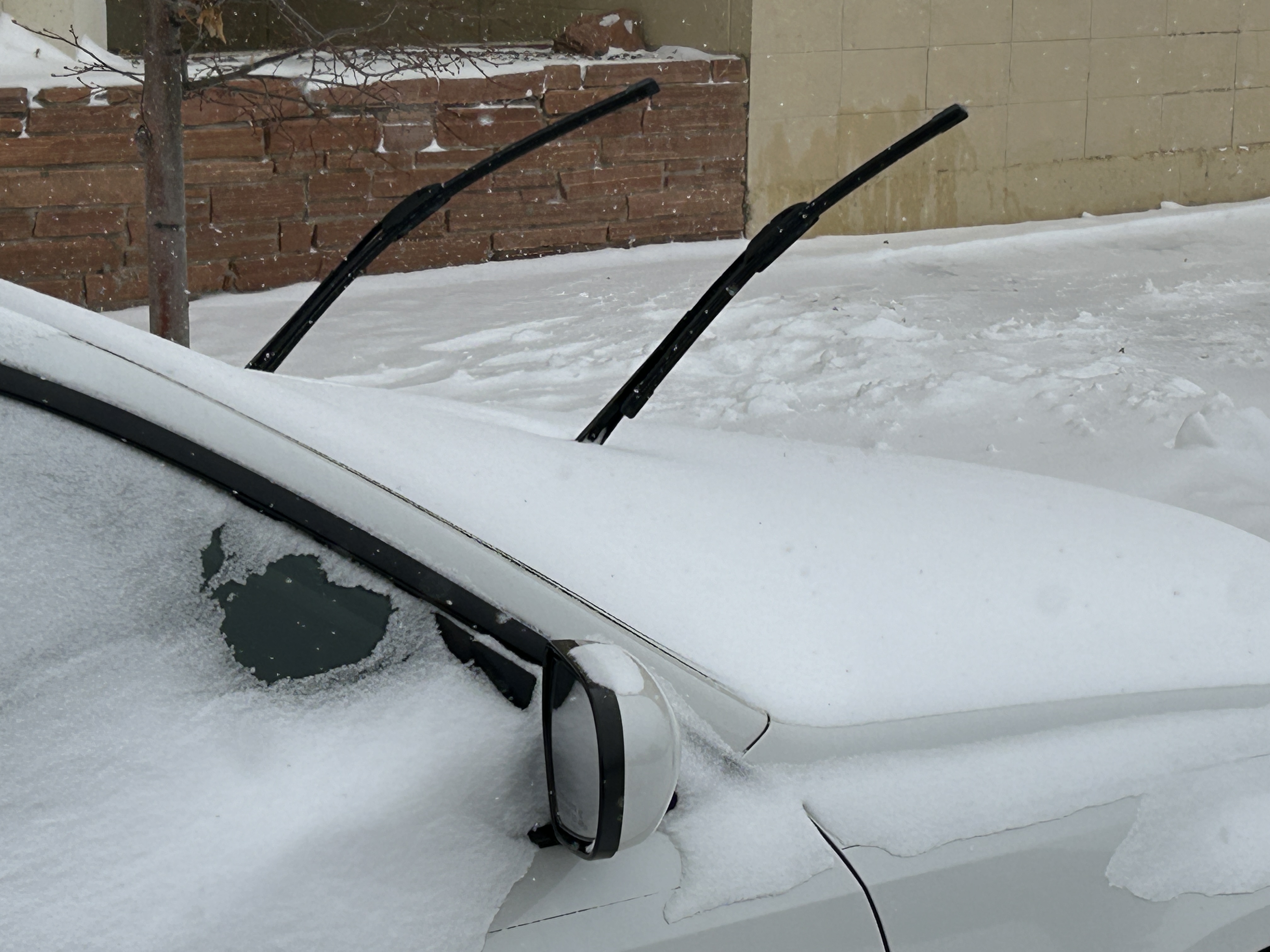
Pros and Cons of Lifting Wiper Blades Before Ice & Snow

Wiper Blade Maintenance

The practice of lifting windshield wipers off the windshield before a winter storm is a common one, and it comes with both pros and cons. 

Snowy windshield with wiper blades lifted up.
Lifted wiper blades in the snow


Windshield Wiper Blade Pros

Prevents Freezing: Lifting the wipers can help prevent them from freezing to the windshield during a winter storm. When the wipers are frozen to the glass, it can be challenging to break the ice and operate them effectively.

Easier to De-ice: When the wipers are lifted, it's easier to de-ice the windshield without obstruction. This can be especially helpful if you need to scrape off ice or apply de-icing solutions to the windshield.

Preserves Wiper Blades: Keeping the wipers off the windshield can prevent them from getting stuck to the ice and accumulating snow, which could potentially damage the wiper blades. It may prolong the life of the wiper blades.


Windshield Wiper Blade Lifting Cons

Potential for Damage: Lifting the wipers can sometimes cause them to become misaligned or damaged, especially if strong winds are involved. In some cases, the wiper arms may freeze in an upright position, making it challenging to put them back down.

Wiper Arm Stress: Constantly lifting and lowering the wiper arms may cause stress on the wiper arm joints and connecting mechanisms. Over time, this stress could lead to wear and tear.

Not Foolproof: While lifting the wipers can help prevent them from freezing to the windshield, it's not a foolproof method. If there's significant ice buildup or freezing rain, the wipers may still become stuck.

Lifting your windshield wipers before a winter storm can be beneficial in preventing freezing and facilitating easier de-icing. However, it's important to be cautious to avoid potential damage, especially in windy conditions. If you choose to lift your wipers, make sure to gently lower them back onto the windshield before driving to prevent any issues with visibility or damage to the wiper system

Buy Here 👉Windshield Washer Fluid 

Buy Here 👉Windshield Ice Scraper 


Tips to Take Care of Your Wiper Blades

Checking your wiper blades could keep you out of harm's way. Having poor worn-out wiper blades can affect your driving ability. You should make a plan to check your wipers properly. 

Keeping on top your wiper blades provide you adequate visibility during inclement weather. Wiper blades should be changed every 6 months to a year. Changing your own wiper blades is simple and easy. You just need to go to an auto parts store like AutoZone. They can look up the kind you need. Swapping them is a simple job.   

Read More ➤➤ More Steps to Winterize Your Jeep 


Close up picture of my wiper blades on my Jeep
Jeep wiper blades


5 Tips to Take Care of Your Windshield Wipers

  • Defrost and Scrape Before Using the Wipers.
  • Replace the Blades at Least Twice a Year.
  • Keep the Windshield Clean.
  • Never Run the Wipers on a Dry Windshield.
  • Reposition the Blades During the Winter.

Reminders on when to check your wipers 

  • During an oil change.
  • When you fill gas.
  • After a car wash.
  • Before a road trip.
  • At the start of Winter and Spring seasons.

For more essential Jeep Wrangler maintenance tips, visit my Jeep Wrangler Maintenance Guide.

Frequently Asked Questions About Windshield Wiper Blade Maintenance

Should you lift windshield wipers before a winter storm?

Yes, lifting windshield wipers before a winter storm can help prevent them from freezing to the windshield, making de-icing easier and reducing damage to the rubber blades. However, this should be done cautiously in windy conditions.

Can lifting windshield wipers damage them?

Yes, lifting windshield wipers can cause damage if strong winds snap them back onto the glass or if the wiper arms freeze in the upright position. Repeated lifting may also stress the wiper arm joints over time.

How often should windshield wiper blades be replaced?

Windshield wiper blades should typically be replaced every 6 to 12 months, or sooner if you notice streaking, skipping, squeaking, or reduced visibility during rain or snow.

Is it bad to use wipers on a dry windshield?

Yes. Running wipers on a dry windshield can prematurely wear down the rubber blades and scratch the glass. Always use washer fluid or defrost the windshield first.

Jeep Momma contains Amazon affiliate links. I receive commissions for purchases made through those links, at no cost to you. I recommend products and services because I think they are helpful and useful, not because of the small commissions I make if you decide to buy something.


Wednesday, April 26, 2023

How to Pronounce Willys (Jeep History Explained)

Quick Answer: How Do You Pronounce Willys?

Willys is pronounced “WILL-iss” (rhymes with illis), not “will-ees.”
The name comes from John North Willys, who pronounced his last name “WILL-iss.” However, “will-ees” has been commonly used for decades and is widely accepted in casual conversation.

Check out my YouTube video How to Pronounce Willys


Willys Jeep


Why the Name “Willys” Confuses People

Why “Willys” Is Pronounced “WILL-iss”
John North Willys pronounced his last name “WILL-iss,” which makes this the historically correct pronunciation. Willys-Overland Motors followed the same pronunciation.

That said, “will-ees” has been used so widely for decades even by respected Jeep historians  that both pronunciations are commonly heard today.


Willys MB: First Jeep

The iconic Jeep® Brand is recognized all over the world. Every Jeep Brand vehicle has a unique story to tell, with a rich heritage that links back to the original Willys MB. The first Jeep to hit the production line.

This "Go Anywhere, Do Anything" Jeep 4x4 vehicle became the hero for thousands of Allied soldiers around the world in the 1940's. Later becoming the civilian hero for many decades to come. 


Military Jeep

Why the Military Needed the Jeep

During the war the US infantry needed a low-profile, powerful vehicle with four-wheel drive. Three commercial companies put in their bids, American Bantam, Willys Overland Motors, and Ford Motor Company. This is the Birth of Jeep an American Icon.


Willys Overland factory


Willys-Overland and the Birth of Jeep

Each company was tasked to build a vehicle for testing. In July of 1941 the contract was awarded to Willys Overland motors using combined parts of all three prototypes. The Willys MB was born.

Read More about The Birth of Jeep

John North Willys

Who Was John North Willys?


John North Willys
 was an American automotive pioneer and diplomat. His company, Willys-Overland Motors, became the second largest carmaker in the United States after Henry Ford.

TIME OUT --  John Willys is spelled Willys. Willys Overland Motors is spelled Willys. Its pronounced WIL-IS. That is how the owner pronounced his last name. So WIL-IS must be the proper pronunciation 


A quick look at the top of either Wikipedia page will show that the proper pronunciation is wil-is. That said, the incorrect pronunciation of Willys, (willies) has been used for many decades by people of all walks of life, up to and including many of the world's most esteemed Jeep historians, that it's become acceptable to hear and use either pronunciation.


The Three Original Jeep Prototypes

Willys Quad 

Designed by Willys Overland Motors in Toledo, Ohio. This little beast of a machine was powered by it's "Go Devil" engine that produced 61 mph, along with 105 foot pounds of torque. 

Willys Quad


Blitz Buggy

Designed by American Bantam out of Butler, Pennsylvania. Working with Spicer, one of Bantam's focuses was axles and transfer case. 

Blitz Buggy


Pigmy

Designed by Ford Motor Company. The two Ford pilot vehicles are now sitting in museums. It is said neither the original Bantam Pilot nor the Willys Quad survived. 

Pigmy

FAQs: Pronouncing Willys

How do Jeep historians pronounce Willys?
Most historians acknowledge “WILL-iss” as correct, though “will-ees” is commonly used.

Is it wrong to say “will-ees”?
Not really. While “WILL-iss” is historically accurate, both pronunciations are widely accepted today.

Why does pronunciation matter in Jeep culture?
Because Jeep history is deeply tied to Willys-Overland and its founder, John North Willys.


Saturday, March 18, 2023

How To Replace Your Jeep's Cabin Filter

Cabin Air Filter (DIY Guide)


Quick Answer: How Do You Replace a Jeep Cabin Air Filter?

To replace a Jeep Wrangler cabin air filter, open the glove box, remove the filter access cover behind it, slide out the old filter, and install the new filter with the airflow arrow pointing in the correct direction. Most Jeep owners can complete this easy DIY maintenance task in under 10 minutes

If you own a Jeep Wrangler and notice weak airflow, dusty vents, or musty smells coming from your HVAC system, it may be time to replace your cabin air filter.

My Jeep is a 2015 Jeep Wrangler Unlimited Rubicon, and for years I drove without a cabin filter installed. Earlier this year, I finally added one — and honestly, I noticed a difference right away with cleaner airflow inside the Jeep.

This simple Jeep maintenance project is beginner-friendly and requires no special tools.

Buy Here 👉2015 Jeep Wrangler Cabin Filter 


Recommended Reading for Jeep Owners

If you're new to Jeep maintenance or building confidence with DIY projects, these guides can help:

Jeep Maintenance Tips Every Owner Should Know – simple habits to prevent bigger issues
Differential Fluid Guide – When to check it, and why it matters
Air Filer Replacement Guide – Do it Yourself video on how to change your air filter


Location of the cabin filter behind the glovebox.
Cabin Filter Location


Why Your Jeep Cabin Air Filter Matters

The cabin air filter helps clean the air flowing through your Jeep’s:

  • Heating system
  • Air conditioning
  • Ventilation system

A clean filter helps reduce:

  • Dust
  • Pollen
  • Allergens
  • Trail debris
  • Musty odors

If you spend time off-road like I do, your filter can clog faster from dusty trails and dirt roads.


Where Is the Cabin Air Filter Located on a Jeep Wrangler?

On most Jeep Wranglers, the cabin filter is located behind the glove box inside the fresh air inlet housing.

Some Jeep Wranglers leave the factory without a filter installed, but the housing is still there and ready for one.

If your Jeep has a recirculation knob, you may need to adjust it to gain access to the filter compartment.


Opening the Jeep glove box.
Jeep Glovebox


Pointing to where you pull open the doors for the cabin filter.
Cabin Filter Removal and Replacement


How To Replace Your Jeep Cabin Air Filter


Step 1: Open the Glove Box

Open your Jeep glove box and carefully remove it to access the cabin filter housing behind it.


Step 2: Locate the Cabin Filter Access Doors

Behind the glove box, locate the two retaining tabs securing the HVAC filter access doors.

Press the tabs to open the access doors.


Step 3: Remove the Old Cabin Filters

Pull the old filters straight out one at a time.

If your Jeep never had a cabin filter installed from the factory, you can skip this step and move directly to installation.


Step 4: Install the New Cabin Filter

Insert the new cabin filter in the correct airflow direction.

Most filters have an airflow arrow printed on the side showing proper installation direction.


Step 5: Reassemble Everything

Close the filter access doors and secure the retaining tabs.

Reinstall the glove box and make sure everything snaps back into place properly.

That’s it your Jeep’s HVAC system is ready for cleaner airflow.


How Often Should You Replace a Jeep Cabin Air Filter?

Jeep recommends replacing the cabin air filter every 20,000 miles under normal driving conditions.

However, if you:

  • Drive dusty trails
  • Go off-road frequently
  • Travel gravel roads
  • Wheel in desert environments

You may want to replace it every 10,000–12,000 miles instead.


Signs Your Jeep Cabin Filter Needs Replacing

Here are common symptoms of a dirty cabin air filter:

  • Weak airflow from vents
  • Dust buildup inside the Jeep
  • Musty or unpleasant smells
  • Reduced A/C performance
  • Foggy windows that clear slowly

Replacing the filter can improve both airflow and HVAC efficiency.


For more Jeep Momma How to's from How to Use Your Axle locks to How to swap diff covers check out my How To page


Frequently Asked Questions about Jeep's Cabin Filter

How often should I replace my Jeep's cabin air filter?

You should replace your Jeep’s cabin air filter every 12,000 to 15,000 miles or at least once a year. If you drive off-road often, replace it more frequently.


What happens if you don’t replace your cabin air filter?

A dirty cabin filter reduces airflow, causes bad odors, and makes your A/C work harder, leading to potential HVAC damage.


Can I clean and reuse my Jeep’s cabin air filter?

Most standard filters cannot be reused, but some aftermarket brands like K&N offer washable and reusable filters.


What are the signs of a clogged cabin air filter?

If you notice weak airflow, strange smells, or excessive dust inside your Jeep, it’s time to replace the filter.


Does replacing the cabin air filter improve air conditioning?

Yes! A clean filter improves airflow and A/C efficiency, helping keep your Jeep cooler in the summer and warmer in the winter.


More Jeep Momma How-To Guides

Looking for more trail-tested Jeep Wrangler tips and DIY upgrades?

Check out these Jeep Momma guides:


Written by Tammy "Jeep Momma" Forsyth  - a Jeep Wrangler owner, off-road enthusiast, and content creator who has explored trails across Colorado, Wyoming, Arizona, Utah, and beyond. Through Jeep Momma, she shares firsthand Wrangler ownership experiences, trail guides, DIY modifications, camping setups, and Jeep community stories to help new and experienced Jeep owners get more from their adventures.

👉About Jeep Momma


Wednesday, December 28, 2022

Moody Hill - A Rocky Mountain Adventure

The Trail Experience

After a year-long hiatus from off-roading, I couldn't wait to get back behind the wheel of my Jeep and tackle the rugged terrain of the Rocky Mountains.

Selfie driving my Jeep.
Selfie on the trails in my Jeep


Trail Characteristics

Moody Hill is an 18.6-mile out-and-back trail located near Bellvue, Colorado, in the Arapaho & Roosevelt National Forest. This intermediate trail offers a perfect blend of challenge and scenic beauty, making it an ideal choice for off-road enthusiasts looking to explore the Front Range.

Rocky terrain: It features a steep and rocky climb at the beginning, making it one of the more difficult trails in the area.

Scenic views: The trail provides breathtaking views of the Rocky Mountains and surrounding landscape.

Varied difficulty: While mostly intermediate, it includes sections suitable for more advanced off-roaders, such as a quarry area for rock crawling.


Selfie on the trails with Jeeps in the background
Selfie on top of Moody Hill Colorado

As I approached the trailhead, I could feel my excitement building. The trail begins with a rocky climb that immediately tests your vehicle's capabilities and your driving skills. This initial ascent sets the tone for the rest of the journey, which is filled with diverse terrain and stunning vistas.

One of the highlights of Moody Hill is the quarry area, which is reserved for more experienced off-roaders with rock buggy-style vehicles. I didn't venture into this section.


Breathtaking Scenery


Throughout the trail, I was constantly in awe of the surrounding landscape. The Front Range, part of the Rocky Mountains, stretches an impressive 180 miles from Wyoming to Colorado. The sheer scale of these mountains is humbling, and the views from various points along the trail are nothing short of spectacular.

However, I never take the Rockies for granted because even though these mountains are amazing they can quickly turn on you. You need to be prepared in several areas. 

Top 5 Tips 👉 Wheeling in the Rockies

Jeep with Rocky mountains in the background


Tips for Wheeling in the Rockies


Based on my experience, here are some essential tips for off-roading in the Rocky Mountains:

Be Prepared: The weather in the Rockies can change rapidly. Always pack extra layers, food, and water.

Vehicle Maintenance: Ensure your Jeep or off-road vehicle is in top condition before hitting the trails.

Know Your Limits: Moody Hill is rated as moderate, but some sections can be challenging. Don't push beyond your skill level or your vehicle's capabilities.

Stay Informed: Check trail conditions and closures before your trip. Moody Hill is typically open from June 15 to November 30.

Respect the Environment: Practice Leave No Trace principles to preserve these beautiful trails for future generations.


Retrospective

As I drove back along the scenic byway after conquering Moody Hill, I felt a deep sense of gratitude. The Rocky Mountains have a way of putting life into perspective, reminding us of nature's grandeur and our place within it.

👉 Colorado Scenic By-ways


Scenic view on the Colorado Scenic By-way
Colorado Scenic By-way


Friday, November 4, 2022

Sabot Heated Gloves - Product Review

Discover the Ultimate Winter Comfort

As an avid Jeep enthusiast and outdoor adventurer living in Wyoming’s chilly climate, staying warm is essential. When Sabot Heat offered me their battery-heated gloves to test, I eagerly accepted. These gloves quickly became indispensable, even transforming my daily commute during frigid winter mornings.


Exceptional Warmth in Extreme Cold

During the 2023 winter, temperatures regularly dipped below 30°F, putting these gloves to the test. Whether driving to work, running errands, or spending extended periods outside, my hands stayed incredibly warm and comfortable. The consistent warmth significantly improved my overall winter experience.


Jeep Momma bundled up on a frigid winter day wearing the Sabot Heat heated gloves.
Jeep Momma bundled up wearing the Sabot Heated gloves.


High-Tech Features and Functional Design

Responsive Touchscreen Compatibility

One impressive feature is the gloves’ touchscreen capability. The fingertips allowed seamless smartphone usage without removing the gloves, ideal for daily tasks in cold conditions.

Lightweight and Flexible

Despite their sophisticated heating elements, the Sabot Heat gloves remain lightweight and surprisingly flexible. The embedded batteries are barely noticeable, ensuring comfortable wear throughout the day.

Advanced Heating Technology

Sabot Heat incorporates patented carbon nanotube heating technology into their gloves. This advanced feature provides rapid, even heat distribution across the back of the hands and fingertips, enhancing overall warmth. Four adjustable temperature settings allow personalized comfort for any weather condition.


Jeep Momma wearing the Sabot Heat gloves
Jeep Momma wearing the heated gloves.


Versatile Usage for Winter Activities

These gloves excel in a wide range of winter activities:

  • Skiing and snowboarding

  • Winter hiking and cycling

  • Daily commuting and errands

Additionally, they're excellent for individuals dealing with arthritis or joint pain, delivering soothing heat to ease discomfort.


Frequently Asked Questions (FAQs)

Q: How long does the battery last on Sabot Heat gloves?
A: Battery life typically ranges from 3 to 8 hours, depending on your selected heat level.

Q: Are the Sabot Heat gloves waterproof?
A: Yes, they're designed to be water-resistant, offering protection in snowy and wet conditions.

Q: Can I use my smartphone while wearing these gloves?
A: Absolutely! The touchscreen-friendly fingertips allow easy smartphone usage.

Q: Are heated gloves safe to wear for extended periods?
A: Yes, Sabot Heat gloves have built-in safety features that prevent overheating and are safe for prolonged use.


Expert Recommendation

Having thoroughly tested these gloves during Wyoming's tough winter, I highly recommend Sabot Heat’s battery-heated gloves. Their excellent warmth, touchscreen capability, and comfort make them an ideal winter accessory for anyone who spends significant time outdoors.

Investing in quality heated gloves can dramatically enhance your winter comfort. Sabot Heat gloves offer reliable warmth, convenience, and versatile usage, making them perfect for daily activities and outdoor adventures alike.

Check out my Must Have Jeep Winter Jeep Accessories for more tips to help your winter Jeep adventures. 


The palm side of the Sabot Heated gloves
The Sabot Heated Gloves

Watch my Jeep Momma Product Review 👉  Sabot Heated Gloves

Buy the heated gloves 👉 Sabot Heated Gloves


Jeep Momma is a participant in the Amazon Services LLC Associates Program, an affiliate advertising program designed to provide a means for us to earn commissions by linking to Amazon.com and affiliated sites. When you click on and/or make a purchase through a link to an Amazon Affiliate link placed on this website, we may receive a small commission at no additional cost to you.


How to Make Your Jeep 2.0 Turbo Last Longer

Real-World Tips That Actually Work If you own a Jeep Wrangler with the 2.0L turbo engine, you’ve probably heard mixed opinions about it. Som...