Tuesday, March 29, 2022

Jeep Wrangler Oil Filter Housing Adapter Leak


Regular maintenance is so important for your Jeep. However, sometimes these types of failures are unavoidable.  


Selfie with my new oil filter housing

Known Assembly Issues

Jeep Wrangler Oil Filter Housing Adapter Leak

Symptoms, Causes, Fixes & What I Learned the Hard Way

Quick Answer: Why Is My Jeep Wrangler Leaking Oil?

A Jeep Wrangler oil leak near the top or rear of the engine is often caused by a cracked oil filter housing adapter—a common failure on 3.2L and 3.6L Pentastar engines. The factory plastic housing becomes brittle from heat and cold cycles, leading to oil (and sometimes coolant) leaks.

Looking up at my engine bay and the oil leak
Underneath my Jeep with oil leaking

How I Discovered the Oil Filter Housing Leak

I first noticed oil spots on my driveway and garage floor. After crawling under my Jeep, my heart sank oil was clearly leaking.

I shared photos with a trusted Jeep friend who immediately recognized the issue:

“That looks like the oil filter housing adapter.”

A local mechanic here in Minnesota confirmed it. Unfortunately, this is not a rare issue.


Looking up at my engine bay and the oil leak
Underneath my Jeep with oil leaking


Why the Pentastar Oil Filter Housing Fails

According to my mechanic and supported by years of owner reports the problem comes down to design and material choice.

Common Causes:

• The factory housing is plastic
• It’s over-torqued during oil changes
• Repeated heat cycles weaken the plastic
Cold temperatures accelerate cracking

Once it fails, oil leaks down the engine valley and can look much worse than it initially is.

Oil Leak

Parts Availability (A Real Problem)

This is where things got frustrating.

I called three major auto parts stores, all of which told me:
• The OEM Mopar plastic housing is discontinued
• It had been unavailable for over a year
• The Dorman aluminum upgrade was also backordered

If you suspect this issue:
👉 Start sourcing parts immediately

What I Ended Up Using:

• Standard aftermarket plastic oil filter housing: ~$260
• Intake manifold gasket set: ~$52

This wasn’t my first choice but availability made the decision for me.


A Known Design Issue (With No Recall)

The Pentastar oil filter housing and cooler assembly is a widely documented failure point.

Known problems include:

• Warping from heat
• Brittleness over time
• Cracking that causes oil and coolant leaks
• Risk of engine damage if ignored

Despite the high number of complaints, Chrysler has never issued a recall, and has quietly discontinued the original part.

Inside the Jeep engine

Why This Matters for Jeep Owners

Regular maintenance is critical but some failures aren’t preventable.

This is one of those:
• Even properly maintained engines fail here
• Oil leaks can escalate quickly
• Early detection saves money and stress

If you see oil pooling near the bellhousing or running down the engine block—check the oil filter housing first.


Jeep Momma Takeaway

This repair was frustrating, expensive, and stressful—but it reinforced why:
• Knowing common failure points matters
• Community knowledge is powerful
• Preventive awareness beats roadside surprises

If you own a Pentastar Jeep Wrangler, this is a repair you should know about—even if you haven’t had the issue yet.

Related Reading

👉 Jeep Wrangler Maintenance Guide.

FAQs 

What are the symptoms of a Jeep oil filter housing leak?

Oil pooling under the engine, burning oil smell, oil on the transmission housing, or visible leaks near the top rear of the engine.

Can I drive with a leaking oil filter housing?

Short distances, maybe—but it’s risky. Oil loss and contamination can lead to serious engine damage if ignored.

Is the aluminum oil filter housing worth it?

Yes. Aluminum housings eliminate the plastic failure point and are considered the long-term fix when available.


Tuesday, March 22, 2022

Jeep Slang Words Explained: 10 Terms Every New Jeeper Should Know

Quick Answer: What Are Jeep Slang Words?

Jeep Slang words are terms commonly used by Jeep owners to describe off-road driving, vehicle parts, and trail situations. Learning this lingo helps new Jeepers understand trail communication and feel more confident in the Jeep community. A Jeep is not just a vehicle it’s a way of life.


My first women's wheeling day and the ladies posing with their Jeeps
My first women's wheeling day

🎥 Watch: Jeep Momma's Guides Jeep Slang Part 1 & Jeep Slang Part 2 to give you some basic Jeep Knowlege. 


Jeep Momma's Top 10 Jeep Slang Words


Droop 

Downward articulation, or how far the tires can reach below the vehicle.


Stuff 

Upward compression, or how far the tires can be pushed upwards into the wheel housing.


Naked 

 A term used to describe a Jeep with the top & doors off.


Oh shit handles 

Grab handles on the roll bars to hang onto while crawling thru the rocks.


Pumpkin 

The differential which is the device on the axle that splits the engine torque two different ways, allowing each output to spin at a different speed.


Wrenching 

When a group of Jeepers get together to work on a single Jeep or multiple Jeeps.


Wheeling 

Driving your 4x4 vehicle off-road with like-minded friends.


Flex 

The vehicle’s ability to flex its suspension where drooping on one side and  stuffing on the other while maintaining the ability to keep all four wheels on the ground when going over off road obstacles by means of axle articulation


Line  

A pathway designated by the driver giving them a sightline to the best possible route to overcome an obstacle or to travel on a specific pathway. Choosing the correct line is often essential to being a successful four-wheeler.


Stealership 

A derogatory term given to car dealerships where DIY drivers avoid purchasing parts due to them being  overpriced. I found since working in a dealership that isn't always true. 


❓ Frequently Asked Questions About Jeep Slang

Why do Jeep owners use slang?
Jeep slang helps drivers communicate quickly and clearly on the trail while building a sense of community.

Is Jeep slang the same across all off-road groups?
Some terms overlap, but many slang words are unique to Jeep culture.

Do I need to know Jeep slang to go off-roading?
No, but knowing common terms helps you feel more confident and included on the trail.


Tuesday, March 15, 2022

RIP Maggie May Jeep Wagoneer

Left to Rot in a Field

Maggie May was a 1980 Jeep Wagoneer left to live out eternity in a junkyard, until she was rescued back in 2019 to be restored to join me on my Adam's Extreme Adventure across the United States.

1980 Jeep Wagoneer, Maggie May
Maggie May 1980 Jeep Wagoneer


She was promised to be an epic build to take overlanding across America. Unfortunately, she never made that trip and didn't get to see any part of our beautiful country. They say promises are only as strong as the person making them. The person who promised to get Maggie May running in time wasn't able to make her engine sing so she sat alone in a single car garage while I spent 37 days overlanding across America. 


1980 Jeep Wagoneer, front view
Maggie May 1980 Jeep Wagoneer


Once I returned to Colorado, she was moved by her rescuer to a dirt field. Day by day the chances of her ever seeing the trails was growing dim. My eyes began to see her rescuer left a long string of broken promises from coast to coast and Maggie May was another broken promise. 

I always had hope those wheels see those rocky trails but instead she was picked apart like vultures eating a dead animal in the desert only leaving the carcass. Once again left to rot, abandoned in a field to die a lonely death. 

Side shot of Maggie May
Maggie May 1980 Jeep Wagoneer

I helped acquire many parts for Maggie May, new state of the
art headlights, top of the line front and rear driveshafts, and fancy new off road tires. Not to mention the financial help getting the engine up and running. I did hear the engine run once but never saw her driving on any road or trail. 


Interior of Maggie May
Maggie May interior

I guess boredom set in for her rescuer and she was slowly picked apart piece by piece until just her body sat on cement blocks among the weeds. 


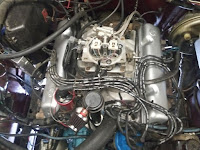
Engine inside Maggie May
Maggie Mays engine

Her engine went to California and still sits quietly in a garage. Will it ever run? We will never know. 


J-4000 truck that received some of Maggie May's parts
J-4000 Jeep Truck

The tires, one ton axles, driveshafts, performance shocks and headlights were installed on a 1971 J4000 Jeep Truck. Now in the hands of a new owner who will hopefully appreciate that Vintage Jeep. 


Interior of Maggie May
Maggie Mays interior

As for the interior build and body of Maggie May,  she sat alone in the corner of a farmers field for over a year. She was used up and tossed aside like a piece of trash, but she still had so much life left in her. I had so much hope for her. I hated knowing she was sitting out in that field waiting for life to fill up the beautiful vintage Jeep. 

The last I checked was about nine months ago and she still sat alone in that field. I was curious, so I recently checked with the former land lord. All I know is Maggie May was hauled off to the crusher, when there was some construction happening on the land. Parts were scavenged off her but we will never truly know the fate of this beauty we can only guess. 

This poor iconic American Jeep was discarded like a piece of garbage on the side of the road never to see those dirt roads like she was promised, her dreams crushed. It breaks my heart because there was so much potential for such an amazing journey with this Jeep. I know she was just a bunch of metal but when you become a Jeep owner you come to love them like they are real living breathing entities. 

Maggie May May You Rest in Peace! 


Tuesday, March 8, 2022

7 Jeep Mods I'd Do Over

So You Don’t Make My Mistakes!

(Updated: Dec. 2025) I learned the hard way. Two years of off-roading with a stock Jeep taught me a ton about wheeling, but also about what mods actually matter. Some upgrades I nailed the first time, others… let’s just say I wish I could go back and smack myself for waiting so long.

So today, I’m sharing the 7 Jeep mods I’d do over if I could start from scratch. These are the ones that make off-roading safer, easier, and way more fun.


1. Recovery Gear & Recovery Points — Your New Best Friends

Okay, let’s get real. You will get stuck. Maybe it’s mud, maybe it’s sand, maybe it’s just a rock that sneaks up on you. And when that happens… do you want to be that Jeeper waving for help? Nope.

  • My must-haves: Recovery strap, soft shackle/D-rings, and solid recovery points.

  • Optional but awesome: a winch.

  • Lesson learned: The first time I got stuck, I panicked. With proper recovery gear, you stay safe, independent, and yes… way cooler in front of your Jeep friends.


2. Tires — The Foundation of Fun

Tires make ALL the difference. Stock tires are fine for the grocery store, but off-road? Not so much. 

  • My pick: Nexen Roadian MTX 33” Read More → Jeep Momma Nexen Review

  • Why: Better traction, more control, and they just feel right on a trail.

  • Pro tip: Swap tires before you lift your Jeep. Seriously, you’ll thank me when you’re climbing rocks instead of spinning your wheels in mud.


Close up picture of my Nexen Roadian MTX tires.
Nexen Tires


3. Rock Sliders — Not Those Plastic Step Things!

If your Jeep came with those cute plastic steps, take them off the wish list for off-roading. They bend, crack, and just don’t survive on the trail, Jeep even says so.

  • What I did: Barricade Off-Road Rock Sliders

    • Protects your Jeep’s body from rocks

    • Gives you a solid step into your lifted Jeep

    • Bonus: the sound of sliders clanging over rocks? Pure music to my Jeep-loving ears.

  • Lesson learned: Strong sliders = happy Jeep + happy Jeep Momma.


Jeep Momma showing off her new rock sliders.
Selfie with Jeep's Rock Sliders


4. Steering — Control Your Jeep, Don’t Let It Control You

Stock steering is okay… until it’s not. Bump steer, jitters, rocks knocking you sideways… it adds up.

  • What I did: Yeti Steering from SteerSmarts  (Griffin steering attenuator for JKU owners)

  • Why:

    • Smooths out bumps

    • Handles impacts from rocks

    • Makes you feel confident on tricky trails

  • Lesson learned: Upgrade your steering before you get frustrated—or worse, before your Jeep gets hurt.


The Steer Smarts Yeti Steering System under my Jeep.
My Yeti Steering 


5. Driveshaft — Keep Things Moving Smoothly

When you lift your Jeep and throw on bigger tires, the stock driveshaft can’t always keep up.

  • My upgrade: Tom Woods CustomDriveshaft

  • Why:

    • Handles more torque and stress

    • Protects your Jeep from premature wear

  • Lesson learned: Don’t wait until it snaps on the trail. Trust me.


Tom Woods Front Driveshaft on my Jeep.
My Tom Woods Driveshaft


6. Armor (and I Mean Real Armor, Not Plastic)

Your Jeep’s body is tough, but rocks don’t care. Skid plates, bumpers, and especially rock sliders make the difference between a scratch-free adventure and heartbreak.

  • Lesson learned: Real armor protects your Jeep and your wallet. Plastic steps and unprotected parts. Not so much. My lower control arms in the rear really took a beating until I added solid skid plates. 


7. Electrical System — Keep Your Power in Check

Listen, adding lights, a winch, or a fridge sounds fun… until your stock wiring can’t handle it. Then it’s tears.

  • My upgrade: Jeep Cables from Jeep Cables.com (veteran-owned and tough as nails)

  • Why: Handles the extra load without burning out your alternator or wiring.

  • Lesson learned: Start with strong electrical first. Trust me, nothing ruins a trail day faster than losing power at the worst moment.


My Jeep engine bay with the Jeep Cables installed.
Jeep Engine with Jeep Cables


Final Thoughts

If I could go back, I’d do these seven mods first, before worrying about lifts, fancy lights, or accessories that look cool but don’t make you safer. Gradual upgrades + trail experience = a Jeep Momma who’s confident, safe, and having way more fun.

💡 Trail Tip: Start with recovery gear, then tires, sliders, and armor. Everything else flows from there.


Tuesday, March 1, 2022

What to Expect When You Lift Your Jeep

Real-World Consequences of Lifting a Jeep Wrangler


Quick Answer: What happens when you lift a Jeep?

Lifting your Jeep increases ground clearance and off-road capability, but it also changes gearing, driveline angles, steering geometry, braking, fuel economy, and suspension wear. A proper lift requires supporting upgrades like gearing, brake lines, driveshafts, alignment, and regular inspections to stay safe and reliable.


My Jeep showcasing my tires.
35's  Falcon Wildpeaks


Lifting a Jeep: More Than Just Bigger Tires

Lifting your Jeep opens the door to bigger tires, tougher trails, and improved capability but it also introduces mechanical changes many Jeep owners don’t expect.

On Episode 14 of the Off-Road Insiders PodcastWhat to Expect when you lift your Jeep, my co-host Nate and I break down what really happens after you lift your Jeep beyond looks and stance. I’ve lived this firsthand after lifting my Jeep and running 35” tires for years as a daily driver and trail rig.

If you’re considering a lift, here’s what you need to know before you spend the money.


Must-Do Mods When You Lift Your Jeep

1. Gearing

Larger tires change your Jeep’s effective gear ratio. Without proper gearing, your Jeep may feel sluggish, struggle on hills, and stress the drivetrain.

Why it matters:
Correct gearing restores torque, drivability, and transmission health especially with 35s or larger.


2. Speedometer Calibration

Tire size changes cause inaccurate speed readings.

Fix:
Recalibrate using a programmer or aftermarket solution so your speed, mileage, and shift points are accurate.


3. Brake Lines

A lift can overextend factory brake lines.

Upgrade:
Extended or stainless steel brake lines improve safety and durability especially when flexing off-road.


4. Fuel Economy

Expect a drop in MPG.

Real-world example:
I went from 16 MPG to 13 MPG after lifting and running 35s. Not a deal-breaker for me but it matters for daily drivers.


Driveline Issues (This One Surprises People)

Front Driveshaft Failure

Factory JK/JKU front driveshafts use a Rzeppa joint with a rubber boot. Lifting the Jeep increases angles and flex, causing the boot to crack.

What happens next:

  • Grease leaks

  • Joint fails

  • Driveshaft replacement becomes unavoidable

Worse yet, lifted Jeeps can cause the OEM driveshaft to contact the exhaust, creating additional heat and wear issues.


Driveshaft Issues from a Jeep Lift.

The driveshaft resting on the exhaust from the increase in lift.
More Driveshaft issues from a Jeep Lift. 


Ball Joints Wear Faster

Bigger tires add leverage and stress.

My experience:
After lifting and running 35s, my ball joints failed after about 3 years of wheeling and highway driving. Aftermarket replacements cost me ~$600 and took 500 miles to properly seat (not fun).

👉 Lesson learned: OEM isn’t always the wrong choice.


Suspension & Steering Geometry

Adjustable Components Matter

After lifting, geometry changes require:

  • Adjustable track bar

  • Adjustable control arms

Without them, you’ll experience wandering, poor handling, and uneven tire wear.


C-Gussets & Axle Reinforcement

Lifts increase stress on axle C-ends.

Recommended upgrades:

  • Welded C-gussets

  • Reinforced shock mounts

  • Beefier control arm brackets

These upgrades help prevent expensive axle damage—especially if you wheel rocks.


Alignment Is Not Optional

A professional alignment after lifting is critical.

Why:

  • Prevents uneven tire wear

  • Restores handling

  • Detects geometry problems early

Regular alignments also help identify worn components before failure.


On-Road Driving Changes

Lifting improves off-road performance but can introduce:

  • Increased body roll

  • Slower steering response

  • Reduced aerodynamics

Adjust your driving style accordingly.


Garage Clearance (Ask Me How I Know 😅)

Your Jeep’s height changes especially with a Sunrider or soft top partially open.

Real mistake:
I repeatedly forgot my top was up and scraped it on the garage door. That damage adds up fast.


Must-Do Regular Checks After a Lift

Lifted Jeeps require ongoing inspection, not just install-and-forget but Regular maintenance.

At-Home Tire Play Checks

With the suspension unloaded:

  • 12 & 6 o’clock → ball joints

  • 3 & 9 o’clock → tie rods

  • Pry bar under tire → joint movement

In my case, what looked like a tie rod issue turned out to be a wallowed-out steering knuckle which required replacement.


Final Thoughts: Bigger Isn’t Always Better

Lifting your Jeep can unlock incredible capability but it also increases maintenance, costs, and responsibility.

A lift isn’t just about height—it’s about:

  • Supporting mods

  • Preventative maintenance

  • Honest expectations

Done right, a lifted Jeep is incredibly capable. Done poorly, it can drain your bank account fast.


Want More Jeep Education?

👉 Explore my Jeep Maintenance Guide, Must Do Mods When You Lift Your Jeep
👉 Watch my Top 5 Suspension Fail 


Lessons Learned on the Rubicon Trail: 10 Primitive Camping Mistakes Beginners Make

Primitive camping has always been my way of reconnecting with nature like quiet nights, crackling campfires, and the kind of simplicity you ...